
The Ben Duoc Cu Chi Tunnels are one of Ho Chi Minh City’s most outstanding historical destinations. Beyond preserving the heroic legacy of the nation, the site gives visitors the chance to explore a unique tunnel network, learn about wartime life and experience the distinctive culture of Cu Chi.
If you are looking for a trip that combines history, hands-on experiences and local food, the Ben Duoc Cu Chi Tunnels are well worth a stop.
1. Where are the Ben Duoc Cu Chi Tunnels?
The Cu Chi Tunnels are a famous underground defensive network closely tied to the revolutionary struggle of the soldiers and people of Cu Chi.
Today, visitors can tour two main areas:
- Ben Duoc Tunnels: Located in Phu Hiep Hamlet, An Nhon Tay Commune, Ho Chi Minh City (formerly Phu My Hung Commune, Cu Chi District).
- Ben Dinh Tunnels: Located in Nhuan Duc Commune, Ho Chi Minh City (formerly part of Cu Chi District).
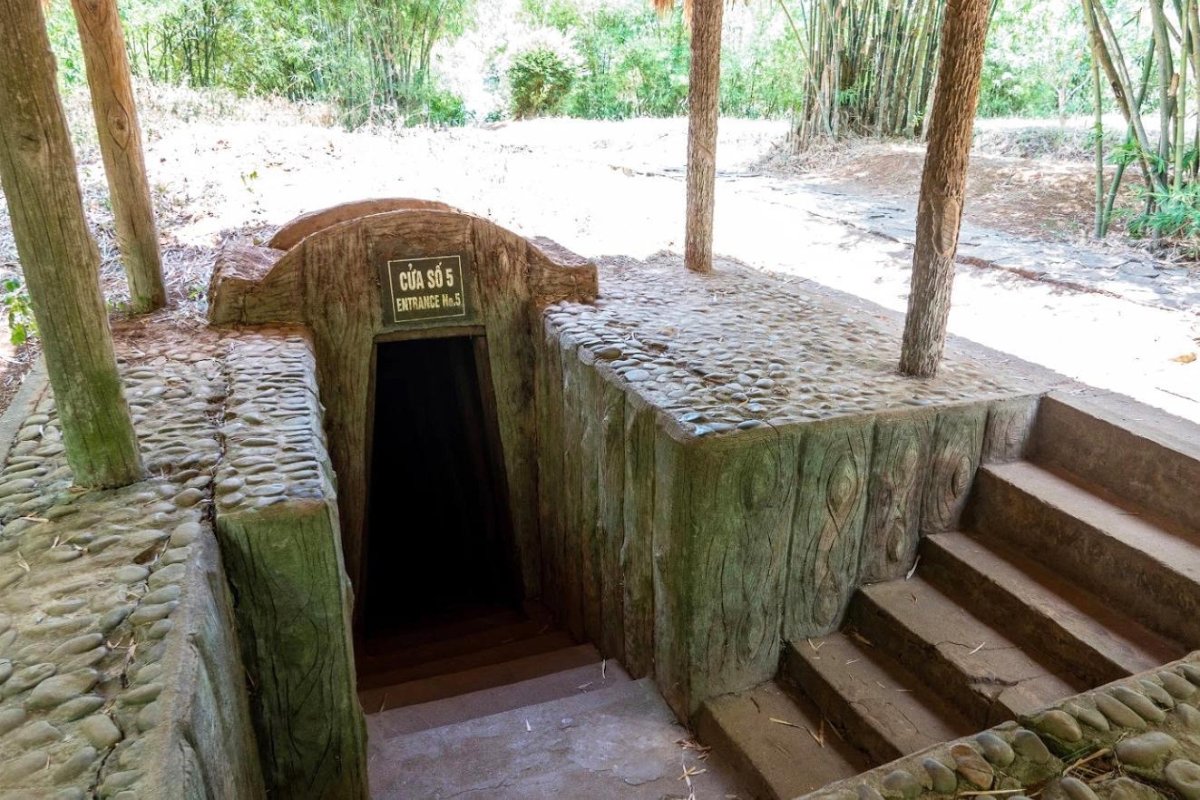
The Ben Duoc site lies about 70 km northwest of central Ho Chi Minh City and is known for its tunnel network open to visitors, the Re-enactment Area of the Cu Chi Liberated Zone and the Ben Duoc Martyrs’ Memorial Temple.
It is an ideal destination for history lovers, families, students and international visitors who want to learn about Vietnamese culture and people.
2. History of the Cu Chi Tunnels – A feat beneath the earth
From simple shelters to an interconnected tunnel network
The Cu Chi Tunnels began to take shape during the resistance war against French colonial rule, around 1946–1948. At first, the tunnels were dug on a small scale for shelter and for hiding documents and weapons.
Through the different stages of the war, the network was gradually expanded to connect many areas, becoming an interlinked web of tunnels used for fighting, communication and daily life.
In particular, between 1961 and 1965 the tunnels were developed extensively, with many branches, connecting passages and defensive works above ground.
Discovering the unique structure of the “underground city”
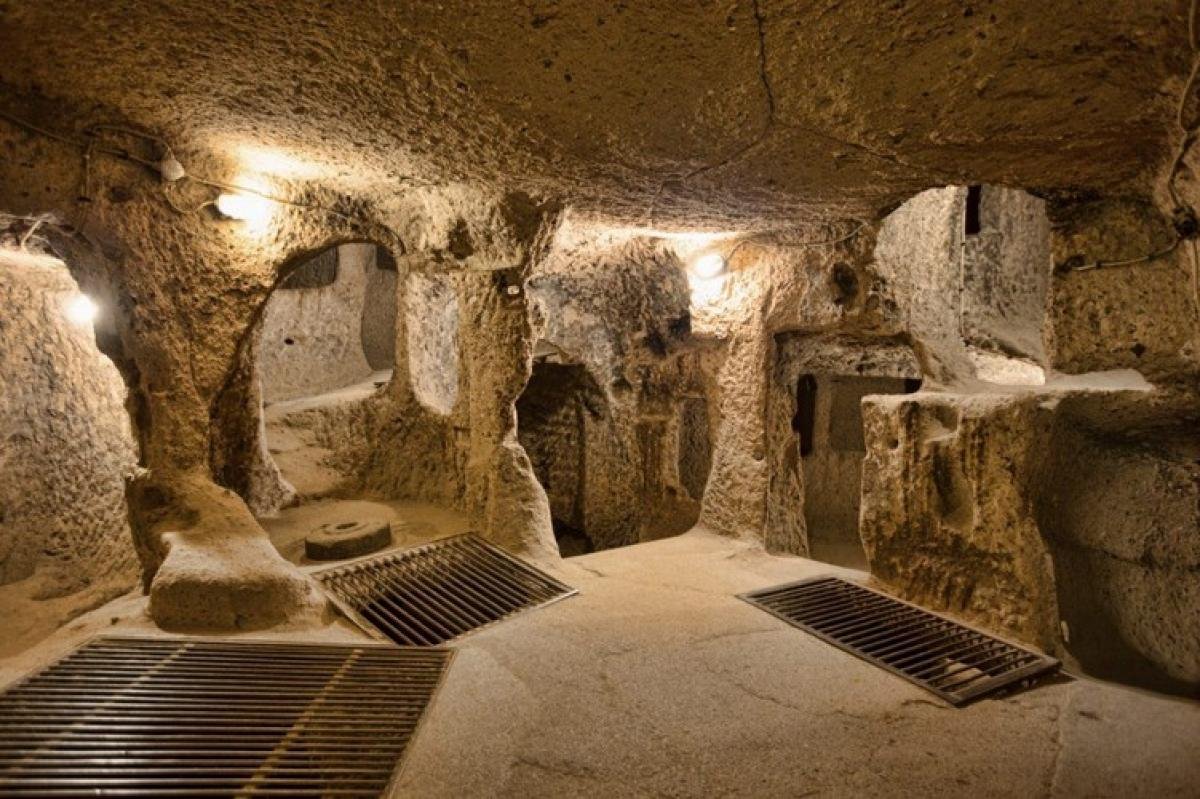
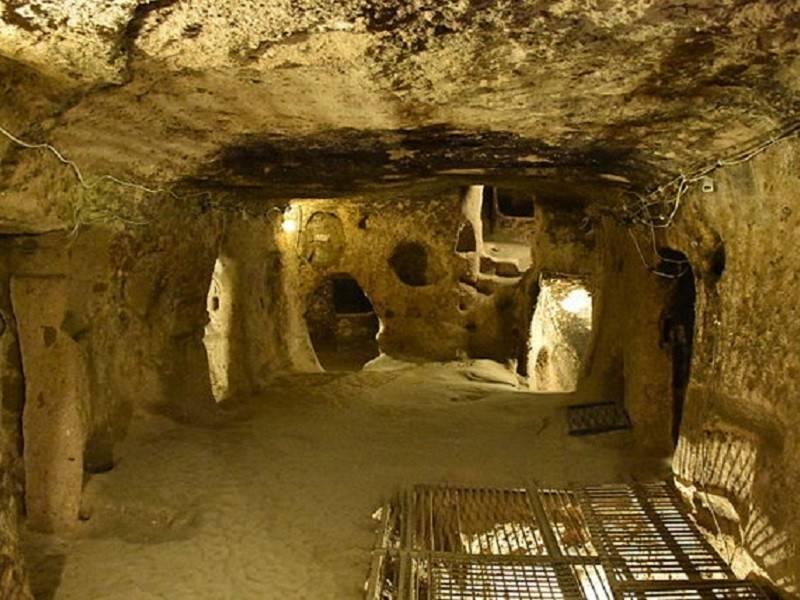
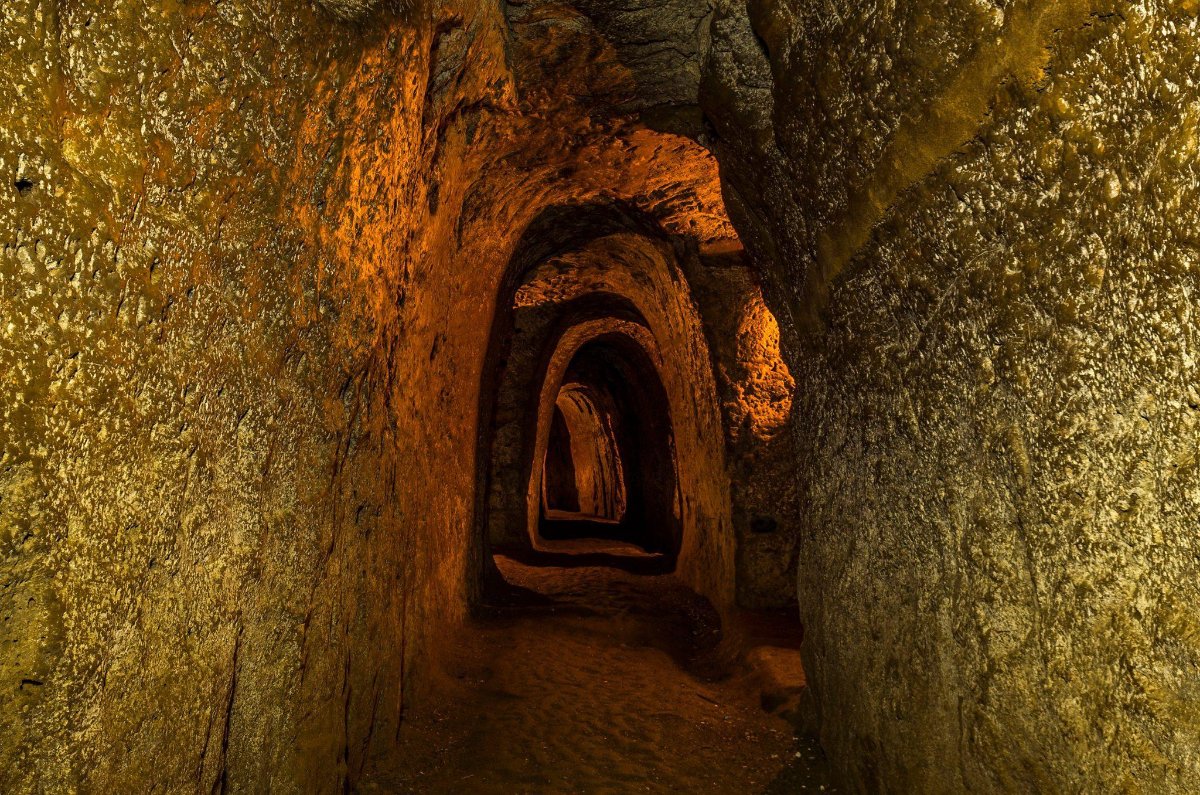
What makes the Cu Chi Tunnels special is their multi-level underground structure. The historic network has sections at different depths, connected to many facilities for daily life and combat.
Inside the tunnels there were once shelters, meeting rooms, kitchens, first-aid stations, storage rooms and fighting positions.
The tunnels were dug by hand under extremely difficult conditions, reflecting the resilience, creativity and adaptability of the soldiers and people of Cu Chi.
Today, the sections open to visitors help people picture the life and activities of the revolutionary forces during the war years.
3. What makes the Ben Duoc Cu Chi Tunnels so appealing?
3.1. Crawling through the tunnels
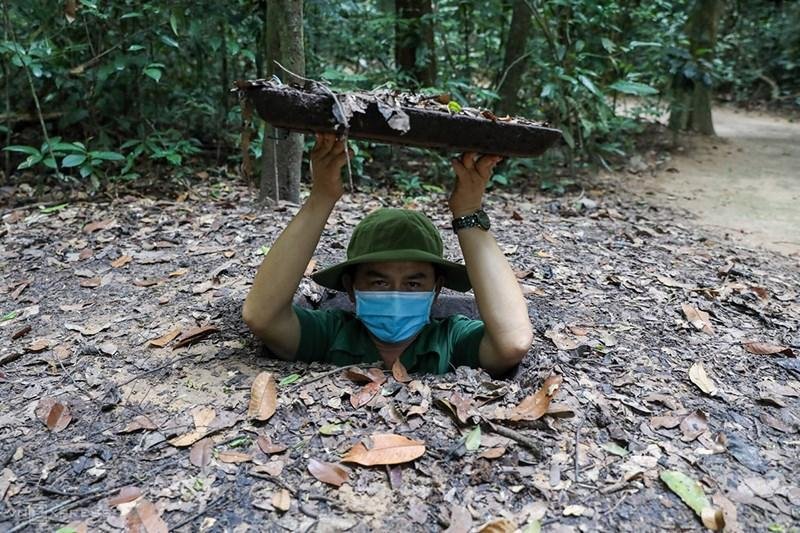
One of the most memorable activities at the Ben Duoc Cu Chi Tunnels is exploring the tunnel sections set aside for visitors.
Guided by site staff, visitors can move through low, narrow passages, feel what underground life was like and learn how the soldiers and people of Cu Chi organised their lives in wartime.
The experience is not only novel but also helps visitors better understand the hardships and challenges faced by previous generations.
Note: The tunnels are fairly narrow and enclosed. People with health problems, limited mobility or discomfort in confined spaces should think carefully before taking part.
3.2. Exploring the Re-enactment Area of the Cu Chi Liberated Zone
The Re-enactment Area of the Cu Chi Liberated Zone has great historical and educational value, helping visitors picture the lives of local soldiers and people during the war.
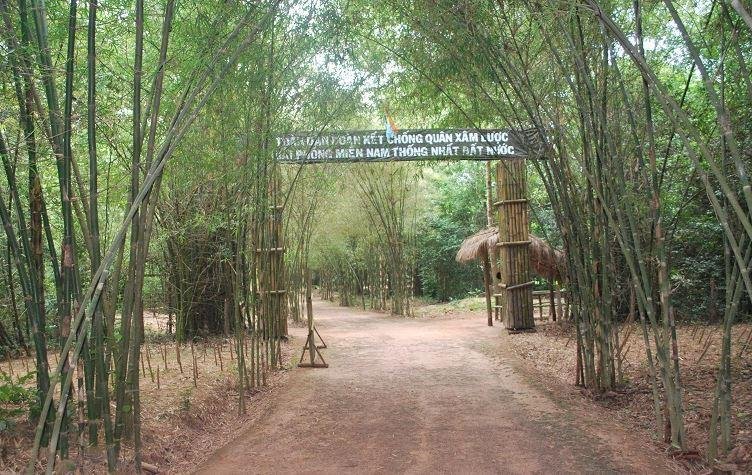
According to the site’s introduction, the re-enactment space is organised into three periods:
1961–1964: Recreates the daily life, work, study and fighting of the people, cadres and soldiers in the liberated zone.
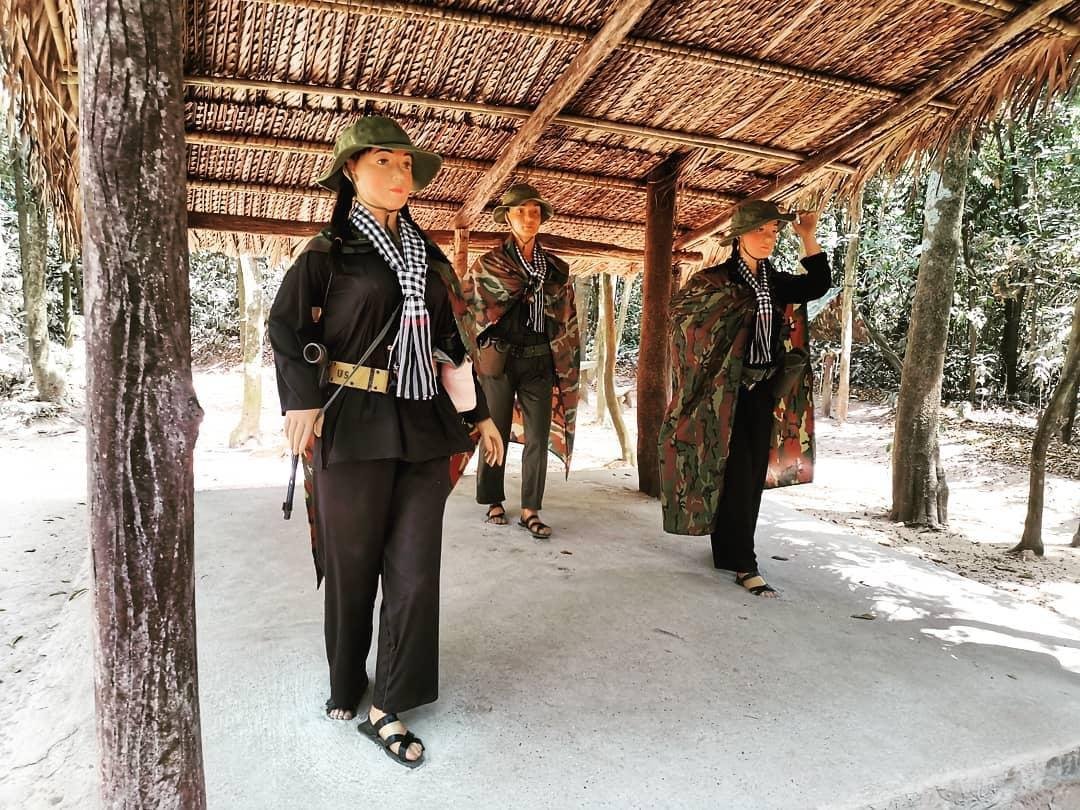
1965–1968: Shows the losses the war inflicted on the villages and lives of the people of Cu Chi.
1969–1972: Recreates the land of Cu Chi devastated by bombs, shells and chemical toxins, highlighting the steadfastness and fighting spirit of the local soldiers and people.
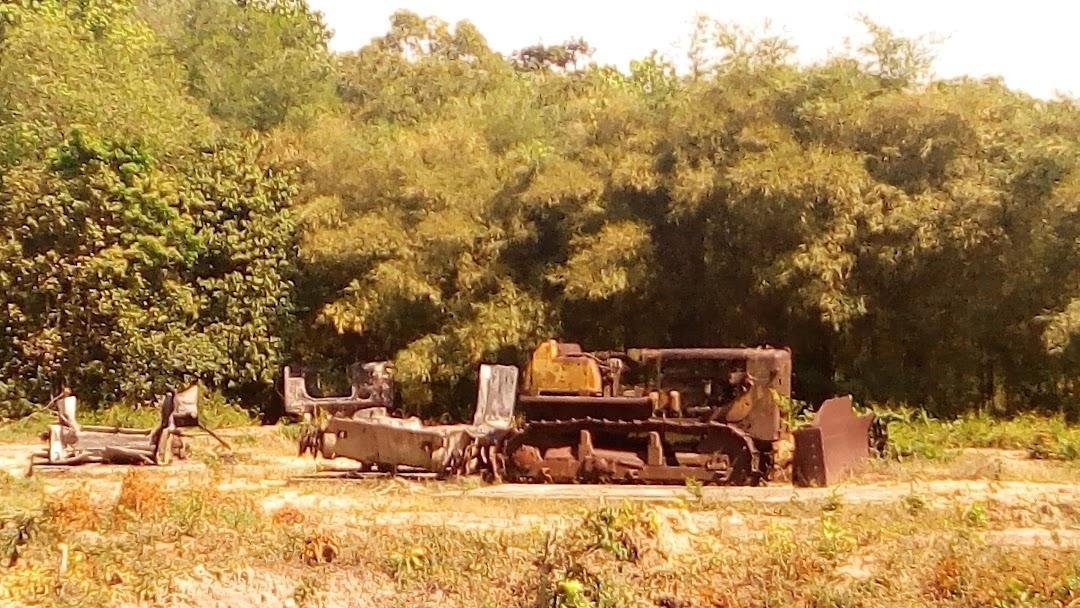


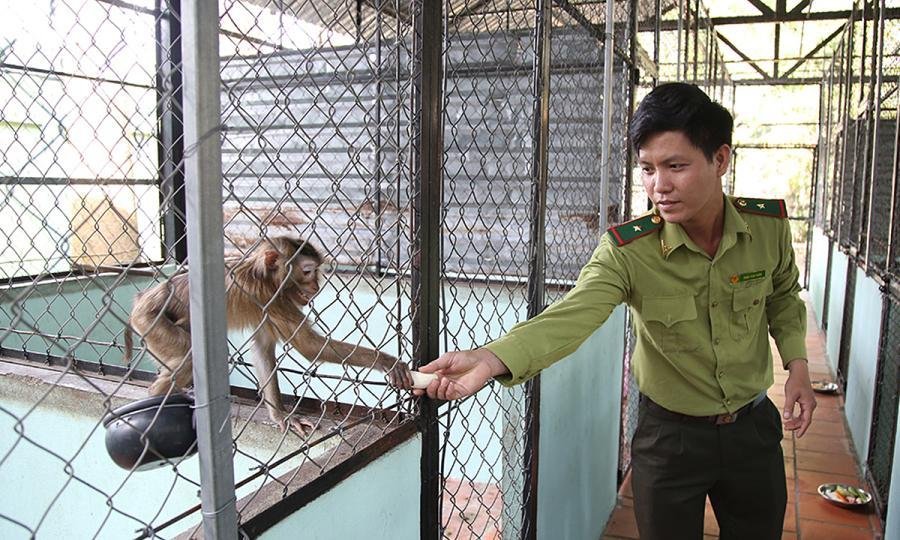

Through models, landscapes and historical documents, visitors gain a vivid perspective on a difficult yet heroic period in the nation’s history.
3.3. Visiting the Ben Duoc Martyrs’ Memorial Temple
When visiting the Ben Duoc Cu Chi Tunnels, don’t miss the Ben Duoc Martyrs’ Memorial Temple – a site of deep historical and cultural significance and gratitude.
The temple was built to honour the heroes and martyrs who fought and fell in Cu Chi and Saigon – Gia Dinh during the two resistance wars.
The complex includes a three-entrance gate, a stele house, the main temple, a memorial tower and green grounds.
The solemn, serene atmosphere of the temple is where visitors offer incense in memory of those who sacrificed their lives for the nation’s independence and freedom.
When visiting, dress respectfully, keep quiet and follow the rules of the memorial area.
3.4. Tasting cassava – A flavour tied to history
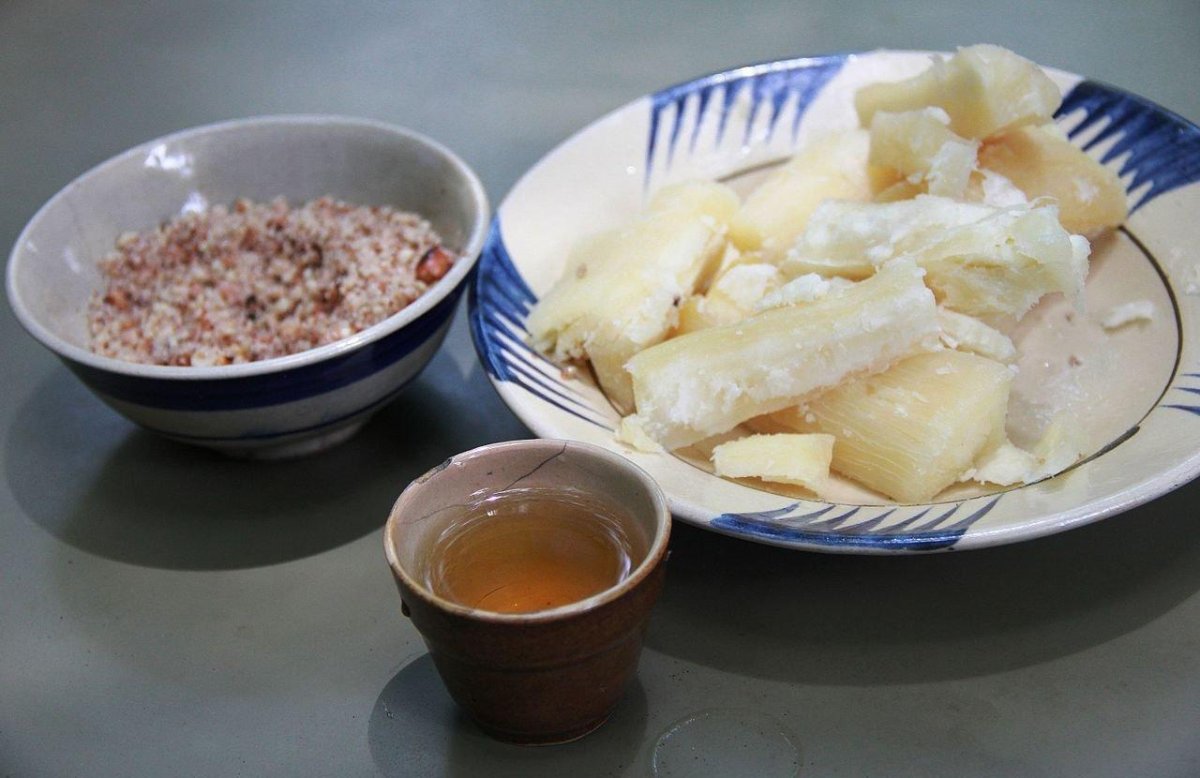
A simple but memorable experience at the Cu Chi Tunnels is eating boiled cassava dipped in salt and sesame.
During the war years, cassava was one of the staple foods of the local soldiers and people.
Today, this rustic dish has become part of the history experience, helping visitors better feel what wartime life was like.
Enjoying hot cassava with a small bowl of sesame salt amid the green surroundings of the site is a culinary experience with a strong Cu Chi character.
3.5. Visiting the landscaped lake modelled on the East Sea
Besides the historical structures, the Ben Duoc site also has landscaped areas for sightseeing and relaxation.
The landscaped lake modelled on the East Sea is designed with greenery and iconic architectural works representing Vietnam’s three regions.
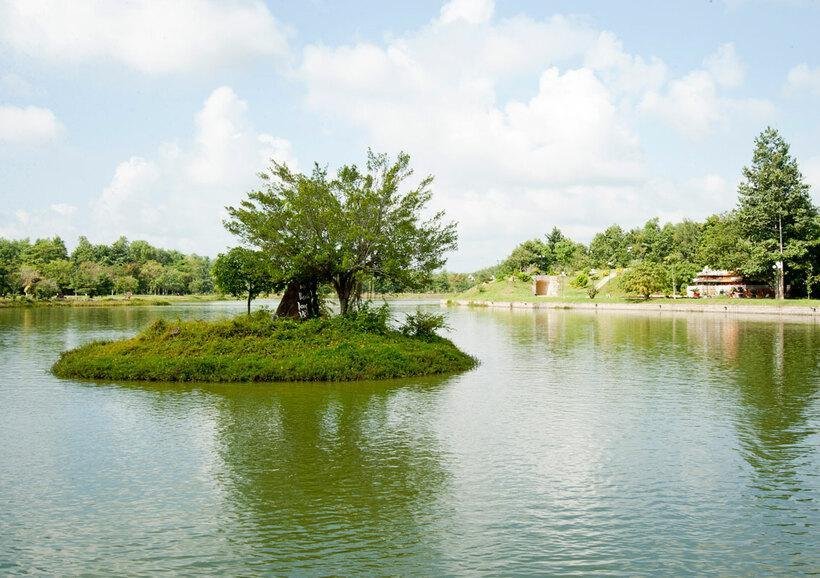
Visitors can stroll around the lake, enjoy the scenery and find out about the recreational activities held there.
For families or groups of friends on a day trip, this is a relaxing stop after exploring the tunnels.
3.6. Sports and recreational activities
Depending on conditions and regulations at the time of your visit, you can find out about some sports and recreational activities at the site.
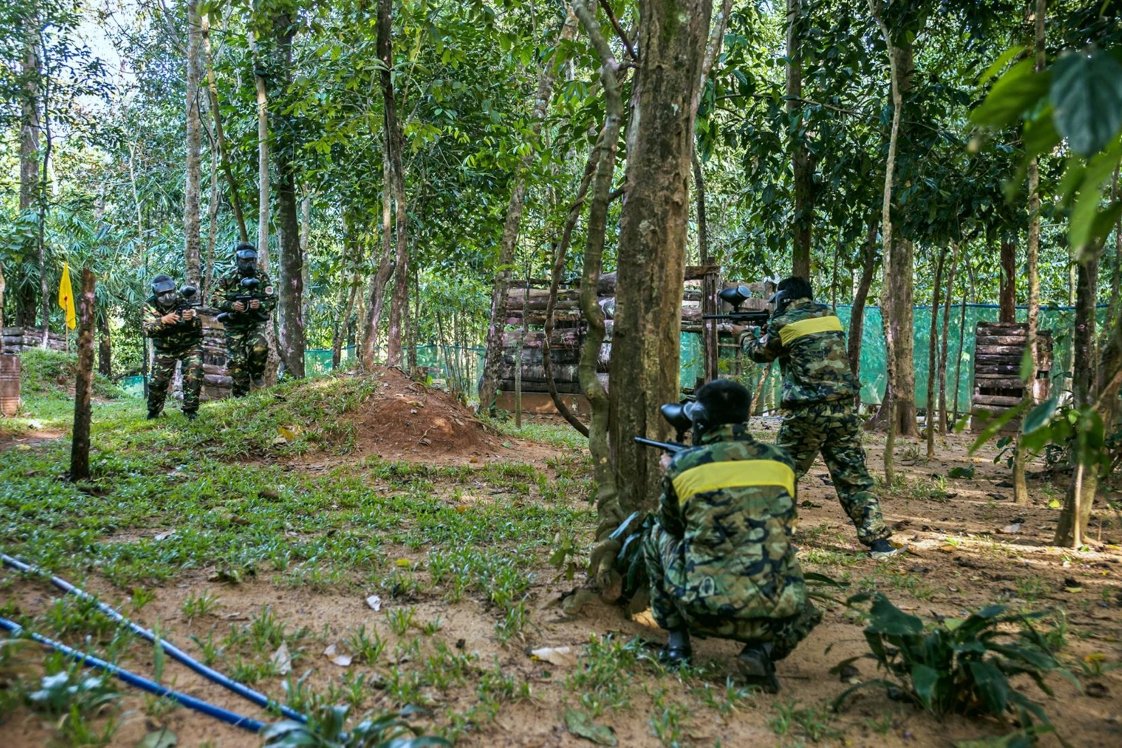
These may include sport shooting at a designated range or team paintball games.
Visitors must fully follow the safety instructions, participation conditions and regulations of the organiser.
4. How to get to the Ben Duoc Cu Chi Tunnels
From central Ho Chi Minh City, visitors can choose from several means of transport to reach the Ben Duoc Cu Chi Tunnels.
By car or motorbike
This is a good option for visitors who want to manage their own time and combine several destinations.
A popular route is via Truong Chinh Street, National Highway 22 and the roads connecting to Provincial Road 15.
Use a map app to get an up-to-date route that suits the actual traffic conditions.
By bus
The bus is a budget-friendly choice.
According to the reference route, visitors can look up bus lines connecting the city centre with Cu Chi Bus Station and then continue to the Ben Duoc site.
As bus routes and networks may change, check the latest information on a public transport app before your trip.
By taxi or ride-hailing app
Taxis and ride-hailing services suit families, visitors with young children or anyone who wants a convenient trip.
The cost depends on the pick-up point, type of vehicle, travel time and the provider’s pricing policy.
By river tour
Visitors who love the river can look into tour programmes that combine a visit to the Cu Chi Tunnels with travel by boat.
This option offers a different view of the riverside landscape and can be combined with other sightseeing activities on the same trip.
Contact the tour operator to confirm the route, landing point and departure schedule.
5. Opening hours and ticket prices at the Cu Chi Tunnels
According to the reference information, the site welcomes visitors from 7 am to 5 pm.
Ticket prices vary by visitor category and by area or experience.
Some activities, such as visiting the Re-enactment Area of the Liberated Zone, using electric shuttles, sports experiences or entertainment services, may incur separate charges.
Visitors should check ticket prices, discount policies, opening hours and available services on the official channels of the Cu Chi Tunnels Historical Site before setting off.
Checking the information in advance helps you choose a suitable itinerary and budget more accurately.
6. What to eat in Cu Chi
Besides its historical value, Cu Chi also has many tempting local dishes that enrich the visitor experience.
Boiled cassava with sesame salt
A simple dish tied to wartime memories, often introduced during the tunnel tour.
Cu Chi veal (bò tơ Củ Chi)
Young beef is one of Cu Chi’s most famous dishes. The tender meat can be prepared in many ways, such as steamed, grilled, dipped in hot broth and other signature dishes.
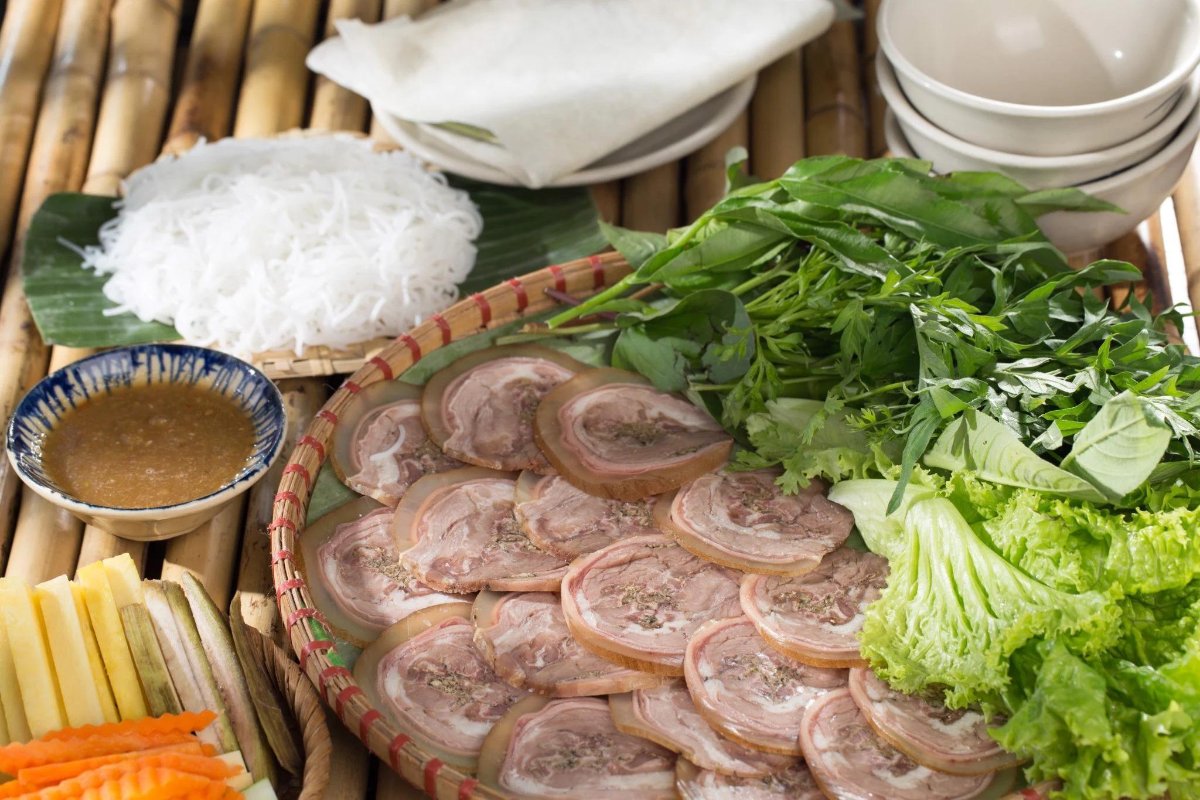
It is a great choice for lunch after visiting the historical site.
Durian sugarcane juice
Durian sugarcane juice is a refreshing drink that many people associate with Cu Chi.
The combination of the mild sweetness of sugarcane juice and the distinctive aroma of durian makes for an interesting drink to enjoy on your local discovery trip.
7. Suggested one-day itinerary for the Ben Duoc Cu Chi Tunnels
For a complete experience, you can follow this itinerary:
Morning
- Depart from central Ho Chi Minh City.
- Arrive at Ben Duoc and get an overview of the history of the Cu Chi Tunnels.
- Explore the tunnel sections open to visitors.
- Discover the Re-enactment Area of the Cu Chi Liberated Zone.
Midday
- Enjoy local dishes, especially Cu Chi veal.
- Rest before continuing your trip.
Afternoon
- Visit the Ben Duoc Martyrs’ Memorial Temple.
- Tour the landscaped areas and suitable experience zones.
- End the trip and return to central Ho Chi Minh City.
The itinerary can be adjusted according to departure time, traffic, weather and the needs of each group.
8. Tips for visiting the Ben Duoc Cu Chi Tunnels
For a convenient and safe trip, keep in mind:
- Wear neat, comfortable clothes and shoes with good grip.
- Bring drinking water, a hat and sun protection for outdoor sightseeing.
- Follow staff instructions when exploring the tunnels.
- Consider your health before entering confined spaces.
- Keep the environment clean and do not touch historical structures or artefacts.
- Be respectful in the memorial area.
- Check opening hours, ticket prices and available services in advance.
9. Frequently asked questions about the Ben Duoc Cu Chi Tunnels
How far are the Ben Duoc Cu Chi Tunnels from central Ho Chi Minh City?
The Ben Duoc site is about 70 km northwest of central Ho Chi Minh City. Actual distance and travel time depend on your starting point and chosen route.
What are the highlights of the Ben Duoc Cu Chi Tunnels?
Typical experiences include exploring the tunnel network, visiting the Re-enactment Area of the Liberated Zone, paying respects at the Ben Duoc Martyrs’ Memorial Temple and tasting local food.
Do I have to crawl through the tunnels when visiting?
No. Visitors can choose activities that suit their interests and health; crawling through the tunnels is not compulsory.
How much time should I spend at the Cu Chi Tunnels?
About half a day is enough to see the main sights of the site. If you combine it with meals, cultural experiences and other destinations in Cu Chi, a full-day trip is more suitable.
Are the Cu Chi Tunnels suitable for international visitors?
Yes. This destination has special historical value, helping international visitors learn about Vietnamese history, wartime life and the resilience of the people of Cu Chi.
10. Ben Duoc Cu Chi Tunnels – A must-see when exploring Ho Chi Minh City
More than a unique historical site, the Ben Duoc Cu Chi Tunnels preserve memories of the resilient fighting spirit, determination and creativity of the Vietnamese soldiers and people.
A journey through the “underground city” offers a chance to connect with history through hands-on experiences while discovering the culture and people of Cu Chi.
Add the Ben Duoc Cu Chi Tunnels to your Ho Chi Minh City itinerary and experience one of the city’s most remarkable historical destinations.
Discover more exciting destinations and journeys in Ho Chi Minh City at Discover HCMC – discoverhcmc.com.
#VibrantHoChiMinhCity #DuLichTPHCM #DiscoverHCMC #CheckinHCMC