
The Jade Emperor Pagoda (Phuoc Hai Tu) is one of Ho Chi Minh City’s most distinctive cultural and spiritual destinations. Besides its ancient architecture bearing the imprint of Chinese culture, the pagoda is well known as a place where people pray for love, children and peace. In particular, the 2016 visit of US President Barack Obama helped bring the Jade Emperor Pagoda closer to international visitors.
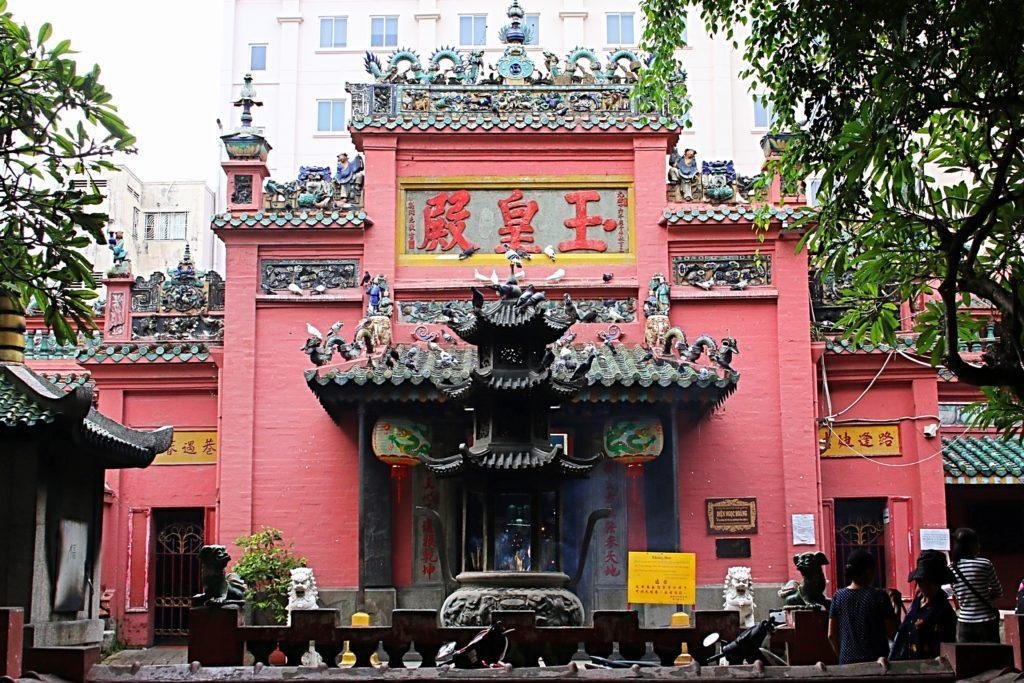
Where is the Jade Emperor Pagoda?
The Jade Emperor Pagoda is located at 73 Mai Thi Luu Street, Tan Dinh Ward, Ho Chi Minh City (formerly Da Kao Ward, District 1).
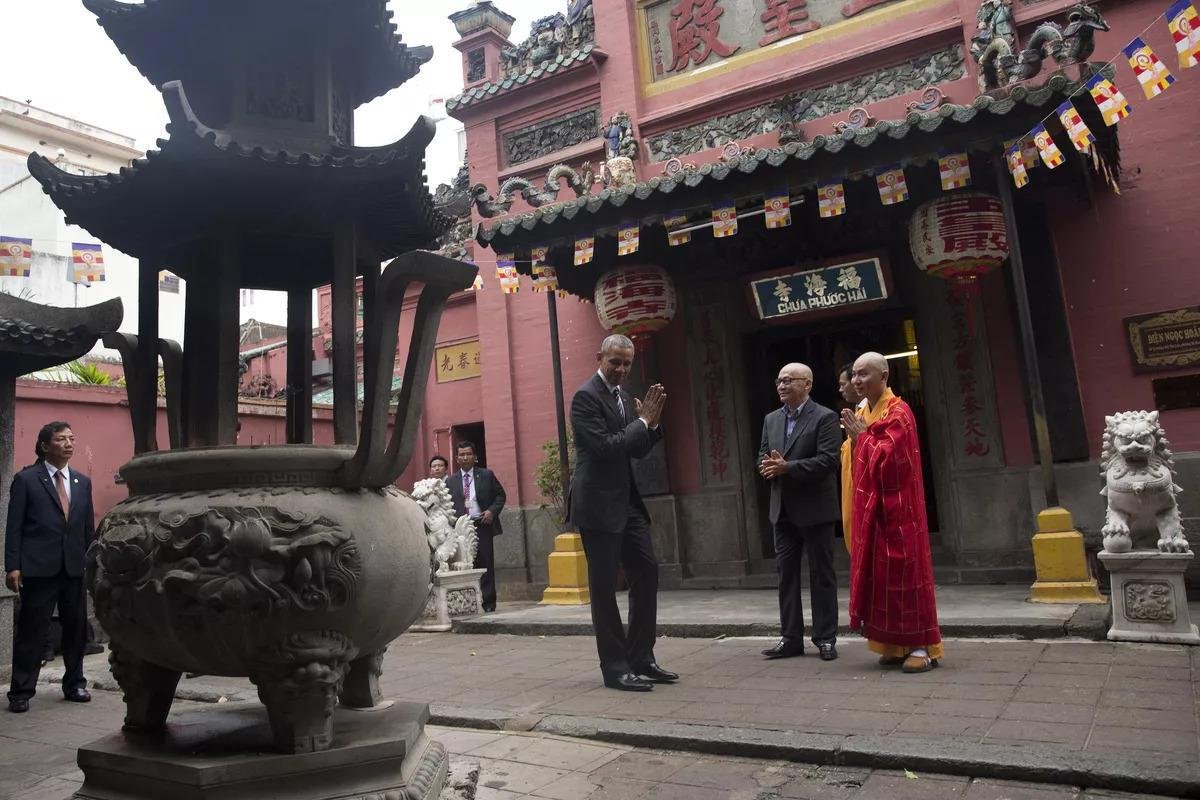
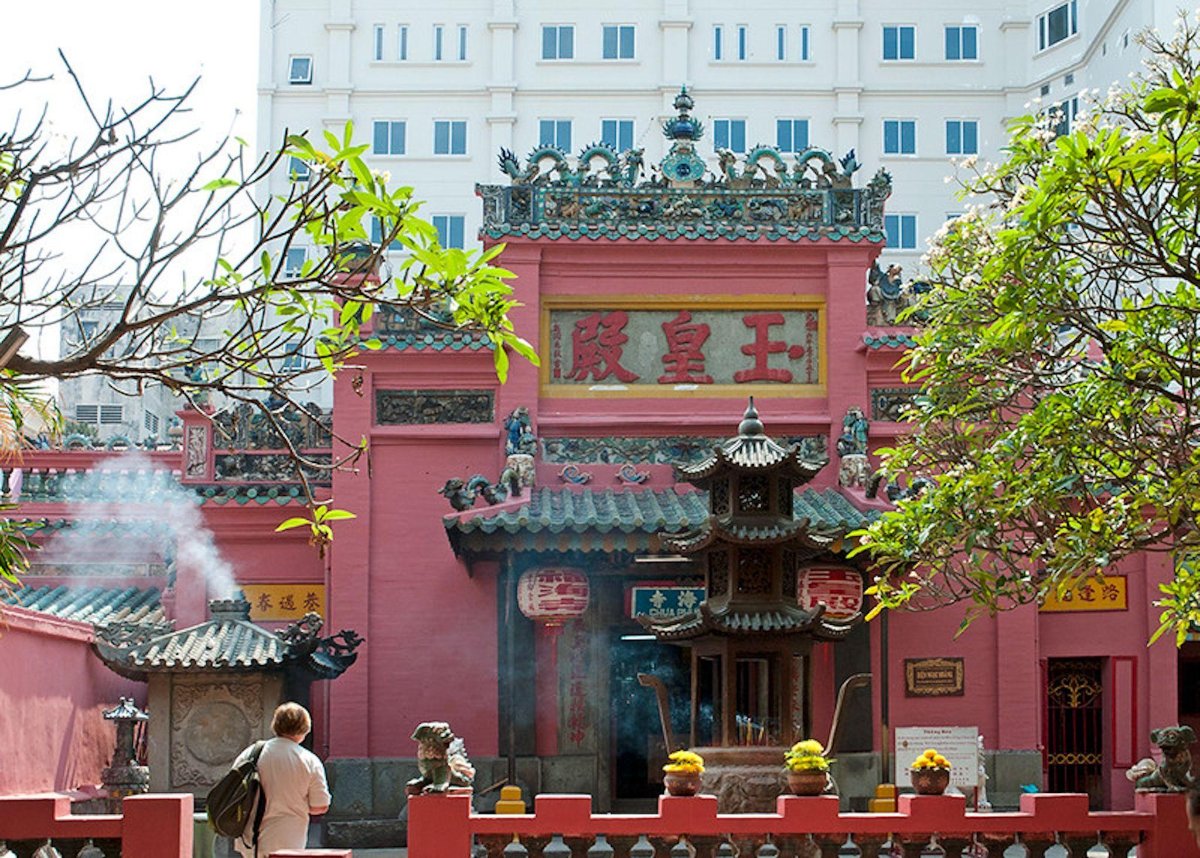
Also known as the Jade Emperor Temple (Dien Ngoc Hoang) or Phuoc Hai Tu, the pagoda is a familiar destination for locals and visitors who want to learn about religious culture, admire ancient architecture and explore historical values in the heart of a modern city.
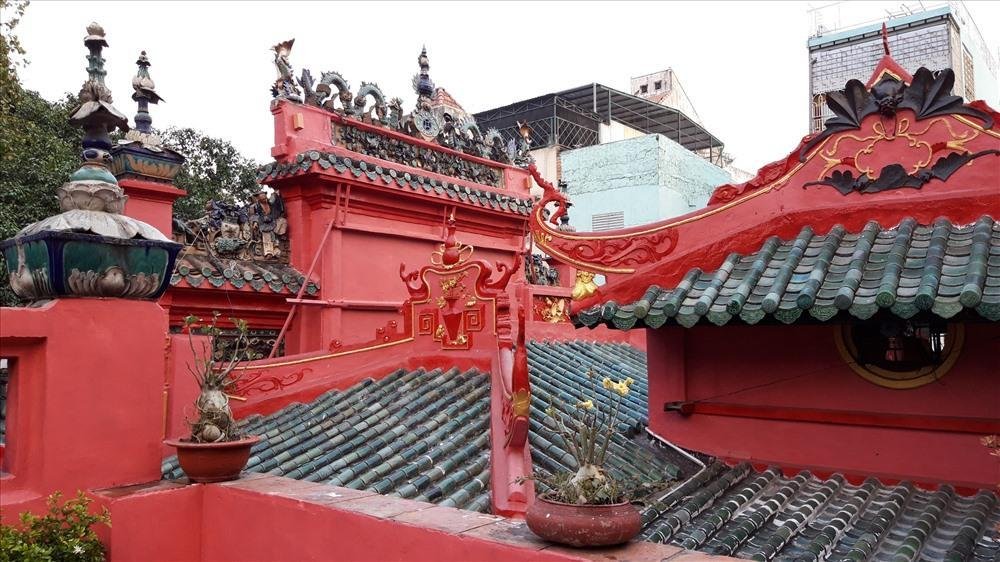
The pagoda impresses with its yin-yang tiled roofs, intricate decorations, statues and shrines steeped in traditional culture.
History of the Jade Emperor Pagoda and over a century of cultural heritage
Origins of the Jade Emperor Pagoda
The Jade Emperor Pagoda was built in the early 20th century, around 1902, by Mr Luu Minh (religious name Luu Dao Nguyen), who came from Guangdong, China.
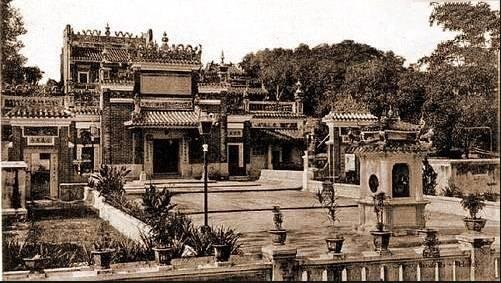
It was originally a temple dedicated to the Jade Emperor, associated with the spiritual life of the Chinese community in Ho Chi Minh City.
In 1982, the temple was taken over by the Most Venerable Thich Vinh Khuong. In 1984 it was renamed Phuoc Hai Tu, but the name Jade Emperor Pagoda is still widely used today.
In 1994 the pagoda was recognised as a National Architectural and Artistic Relic, acknowledging its outstanding historical, architectural and cultural value.
The visit of President Barack Obama
On 24 May 2016, during his official visit to Vietnam, US President Barack Obama visited the Jade Emperor Pagoda in Ho Chi Minh City.
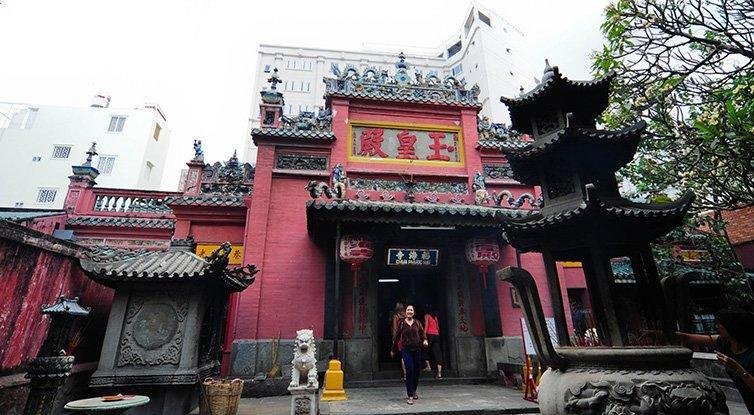
The event attracted attention from domestic and international media, helping promote the ancient pagoda and the distinctive cultural and spiritual life of Ho Chi Minh City.
To this day, the Jade Emperor Pagoda remains one of the most popular cultural and spiritual attractions for visitors exploring the city.
What is special about the architecture of the Jade Emperor Pagoda?
Ancient architecture with a Chinese imprint
The Jade Emperor Pagoda covers about 2,300 m² and stands out with the traditional temple architecture of the Chinese community.
It features brick walls and yin-yang tiled roofs, with ridges and roof corners decorated with colourful ceramic figures, sacred animals and many elaborately carved motifs.
The distinctive colours, ancient tiled roofs and worship spaces create a unique beauty that attracts visitors interested in traditional architecture and culture.
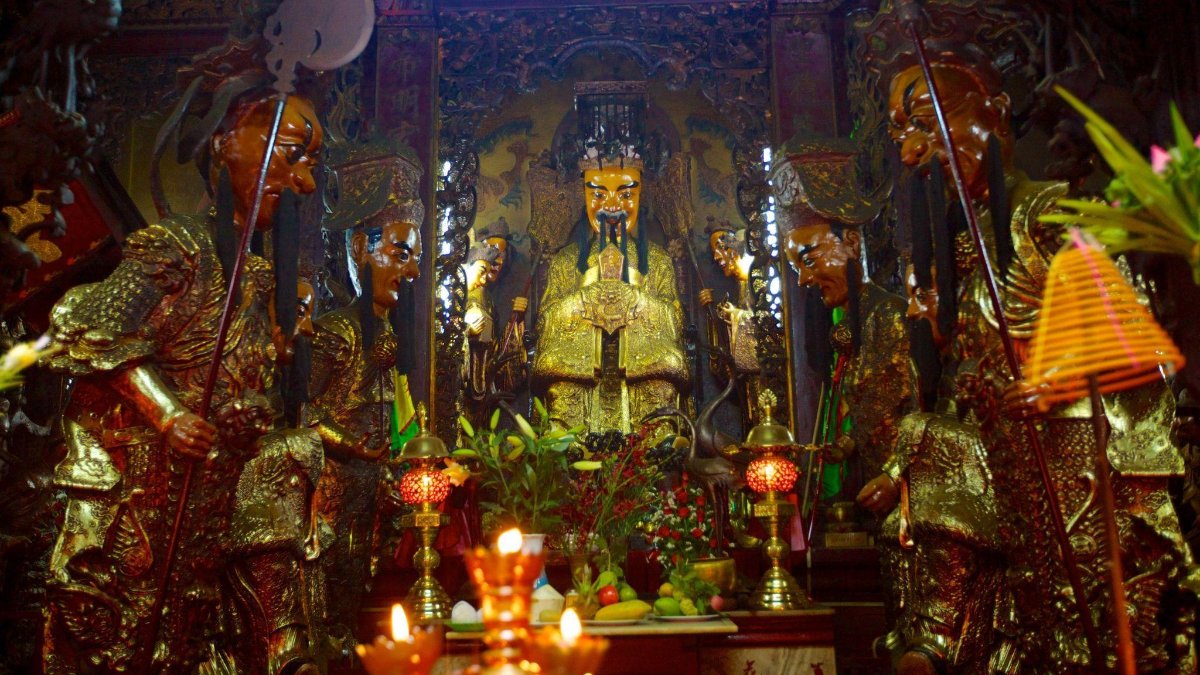
Inside, the pagoda holds many works of art such as statues, religious paintings, altars and parallel sentences made of wood, ceramics and papier-mâché.
Exploring the shrines of the Jade Emperor Pagoda
The pagoda’s worship spaces are divided into several areas with a rich collection of statues.
Central area: Includes the front hall, middle hall and main hall. The main hall is dedicated to the Jade Emperor along with deities of traditional belief. The middle hall houses a shrine to the Medicine Buddha.
Left area: Notable for the shrines of the Ten Kings of Hell, the Matchmaker Deities (Ong To Ba Nguyet), the Golden Flower Mother (Kim Hoa Thanh Mau) and the 12 Midwife Goddesses. This area is well known for prayers for love and children.
Right area: Houses a shrine to the Goddess of Mercy and a space to commemorate the deceased.
The pagoda also has a shrine to the Stone God (Ong Da) and many statues of artistic value, reflecting the blend of folk beliefs and Buddhism in local cultural life.
Why is the Jade Emperor Pagoda famous for prayers for love and children?
Praying for children at the Golden Flower Mother shrine
One of the pagoda’s distinctive features is the shrine to the Golden Flower Mother and the 12 Midwife Goddesses, figures of folk belief associated with childbirth and caring for young children.
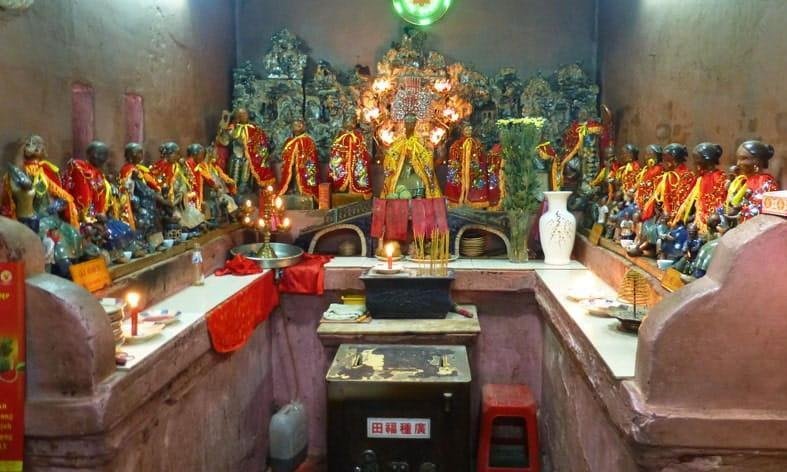
According to tradition, many families come here to offer incense and express their wishes for children, health and peace for their family members.
Praying for children at the Jade Emperor Pagoda is a folk religious practice that reflects faith and hopes for family happiness.
Praying for love at the Matchmaker shrine
Besides praying for children, the Jade Emperor Pagoda is also known as a place to pray for love in Ho Chi Minh City.
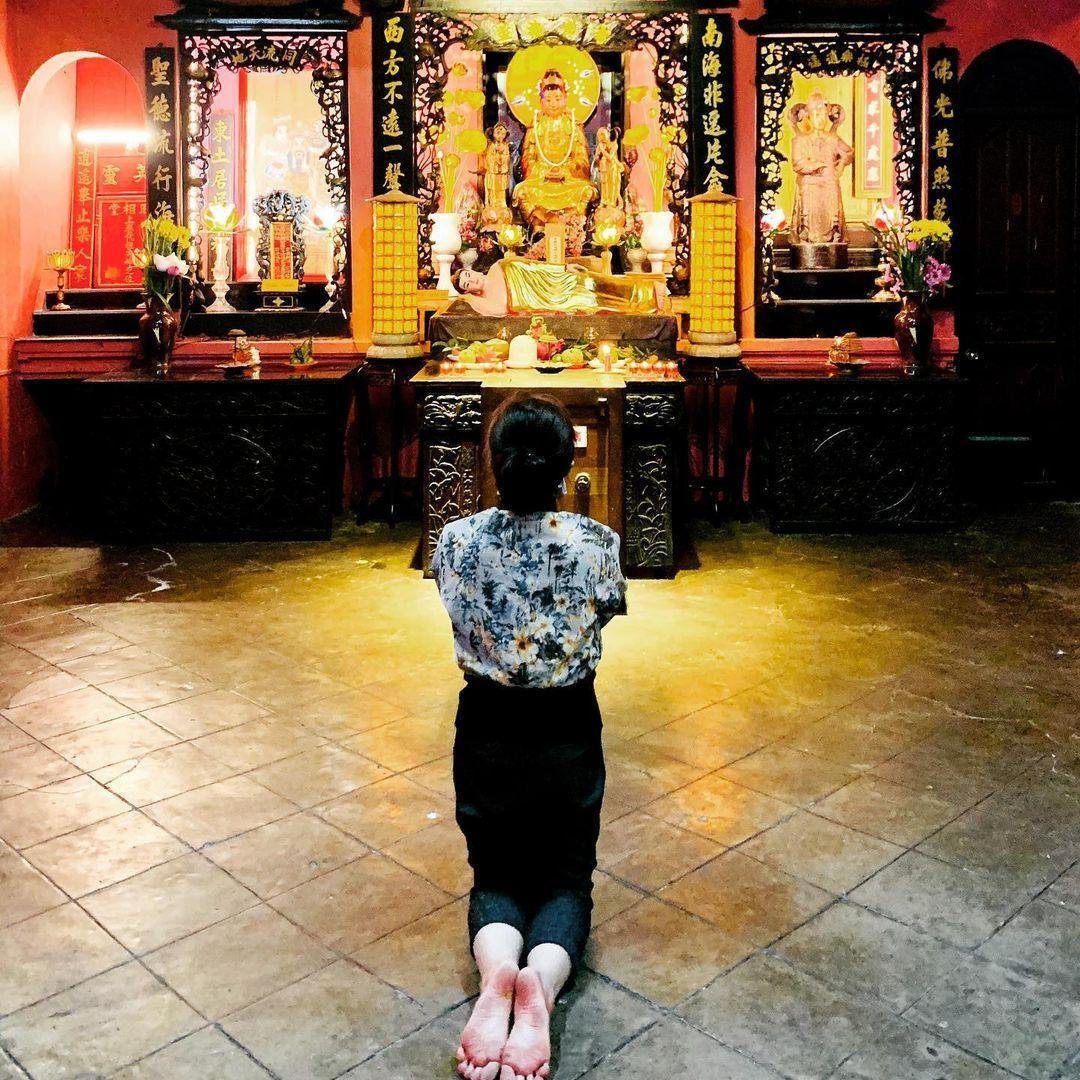
The shrine to the Matchmaker Deities attracts people hoping for a smooth love life, family harmony and a happy life.
For visitors, learning about these customs is also an opportunity to discover the spiritual life and folk cultural values passed down through generations.
Praying for peace and health
Besides love and children, many people come to the Jade Emperor Pagoda to offer incense and pray for health and peace for themselves and their families.
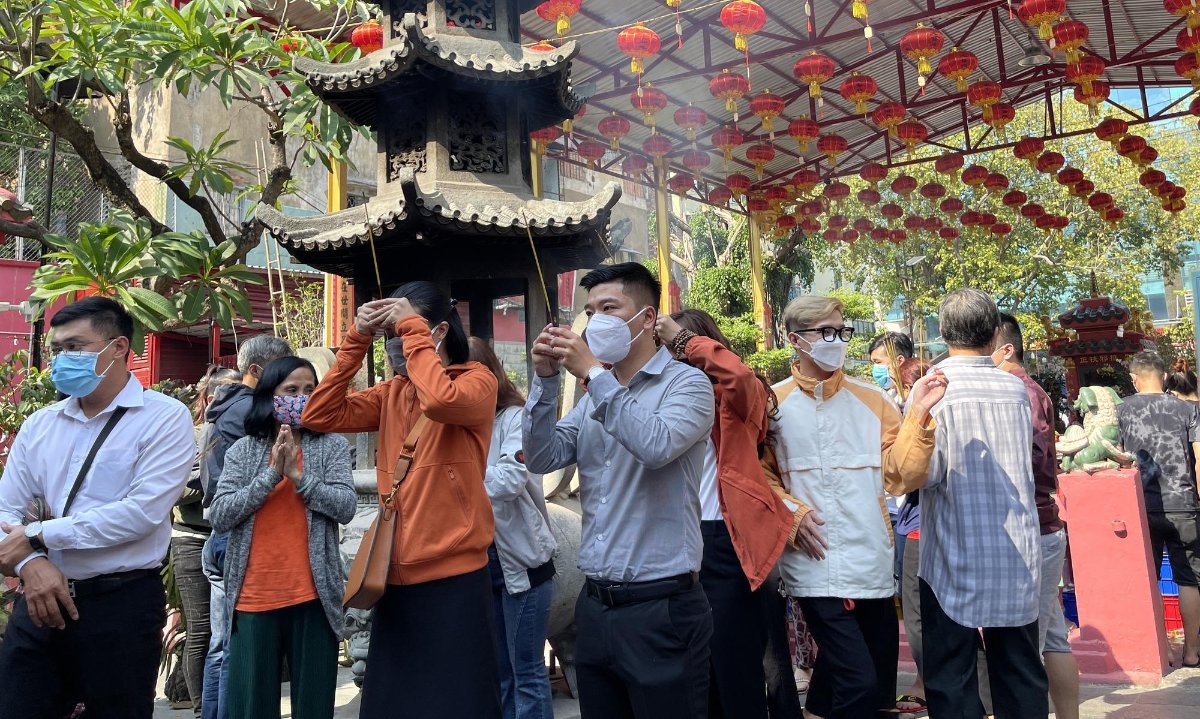
The Medicine Buddha shrine is one of the spaces where people come to express their good wishes.
Whether sightseeing or practising their faith, visitors can feel the distinctive spiritual and cultural life of this ancient pagoda.
The Jade Emperor Festival – A distinctive religious occasion
Every year, on the 9th day of the first lunar month, the pagoda holds the Jade Emperor Festival, one of its most important religious occasions.
On this occasion, crowds of locals and visitors come to offer incense and pray for peace, luck and good fortune in the new year.
The festive atmosphere and traditional rituals offer a chance to learn about the cultural and spiritual life of the local community.
Visitors who want to experience the festival atmosphere can plan their visit for this occasion. However, the pagoda is usually more crowded than on ordinary days.
Tips for visiting the Jade Emperor Pagoda in HCMC
Opening hours
According to the information compiled in this article:
- Regular days: 7 am to 5:30 pm.
- 1st and 15th days of the lunar month: 5 am to 7 pm.
- Admission: The pagoda does not sell entrance tickets.
Note: Opening hours may change during holidays, Tet or when the pagoda holds religious activities. Check the information before you go.
Best time to visit
The Jade Emperor Pagoda can be visited all year round.
If you want to study the architecture, take photos and enjoy a quiet atmosphere, choose weekday mornings and avoid times when many worshippers come.
For visitors interested in religious culture, the Jade Emperor Festival on the 9th day of the first lunar month is worth considering.
How to get to the Jade Emperor Pagoda
From central Ho Chi Minh City, you can reach the pagoda by taxi, ride-hailing app, motorbike or public transport.
Address to search on maps: Jade Emperor Pagoda (Chùa Ngọc Hoàng) – 73 Mai Thi Luu, Tan Dinh Ward, HCMC.
If taking the bus, look up routes and stops near the pagoda on a public transport app for an up-to-date itinerary.
As Mai Thi Luu Street is fairly narrow, groups travelling by large coach should arrange suitable drop-off and pick-up points in advance.
Things to note when visiting
To behave respectfully in a religious space and help protect the heritage site, visitors should:
- Wear modest, respectful clothing.
- Keep quiet and avoid making noise in worship areas.
- Follow the pagoda’s instructions when offering incense and worshipping.
- Not touch statues, artefacts or architectural details.
- Ask permission before taking photos or filming in worship areas.
- Keep the place clean and protect the surroundings.
Attractions to combine with the Jade Emperor Pagoda
After visiting the Jade Emperor Pagoda, you can explore several outstanding cultural, architectural and historical sites in central Ho Chi Minh City.
Saigon Central Post Office: An outstanding architectural landmark, attracting visitors with its historic space and distinctive decorative details.
Saigon Notre-Dame Cathedral: One of Ho Chi Minh City’s famous architectural symbols, near the Saigon Central Post Office.
Independence Palace: An important historical site where visitors can learn about memorable milestones in Vietnamese history.
Ho Chi Minh City Opera House: An outstanding performing-arts building, closely tied to the city’s cultural and artistic life.
Ho Chi Minh City Museum of Fine Arts: A destination for lovers of painting, architecture and art.
Combining these attractions helps you build a varied itinerary, from religious culture to history, architecture and art.
Frequently asked questions about the Jade Emperor Pagoda
Where is the Jade Emperor Pagoda?
The pagoda is located at 73 Mai Thi Luu Street, Tan Dinh Ward, Ho Chi Minh City.
What other names does the Jade Emperor Pagoda have?
It is also called the Jade Emperor Temple (Dien Ngoc Hoang) or Phuoc Hai Tu.
Is there an entrance fee?
According to the information in this article, the pagoda does not sell tickets. Visitors may make voluntary donations if they wish.
Where do people pray for love at the Jade Emperor Pagoda?
The shrine to the Matchmaker Deities (Ong To Ba Nguyet) is associated with prayers for love.
Where do people pray for children at the Jade Emperor Pagoda?
The shrine to the Golden Flower Mother and the 12 Midwife Goddesses is associated with prayers for children according to folk belief.
When did President Barack Obama visit the Jade Emperor Pagoda?
On 24 May 2016, during his official visit to Vietnam, US President Barack Obama visited the Jade Emperor Pagoda.
Jade Emperor Pagoda – A distinctive cultural and spiritual destination in the heart of Ho Chi Minh City
With over a century of history, unique ancient architecture and cultural and spiritual values preserved through generations, the Jade Emperor Pagoda is a destination well worth exploring on your Ho Chi Minh City trip.
More than a place of worship for the community, the pagoda enriches the city’s cultural identity and gives visitors a chance to learn about the blending of cultural traditions.
If you love exploring history, architecture and spiritual culture, don’t miss the Jade Emperor Pagoda on your Ho Chi Minh City journey.
#VibrantHoChiMinhCity #DuLichTPHCM #DiscoverHCMC #CheckinHCMC