
Amid the vibrant pace of Ho Chi Minh City, the Ho Chi Minh City Museum stands out with its more than 130-year-old classical architecture, exhibition spaces rich in historical value and many striking photo spots. Located right in the city centre and also known as Gia Long Palace, the building is an appealing stop for visitors who love history, architecture and culture.
1. Where is the Ho Chi Minh City Museum?
The Ho Chi Minh City Museum is located at 65 Ly Tu Trong Street, Saigon Ward, Ho Chi Minh City. Thanks to its convenient location, you can easily combine a museum visit with a tour of the famous buildings, historical sites and cultural attractions of the city centre.
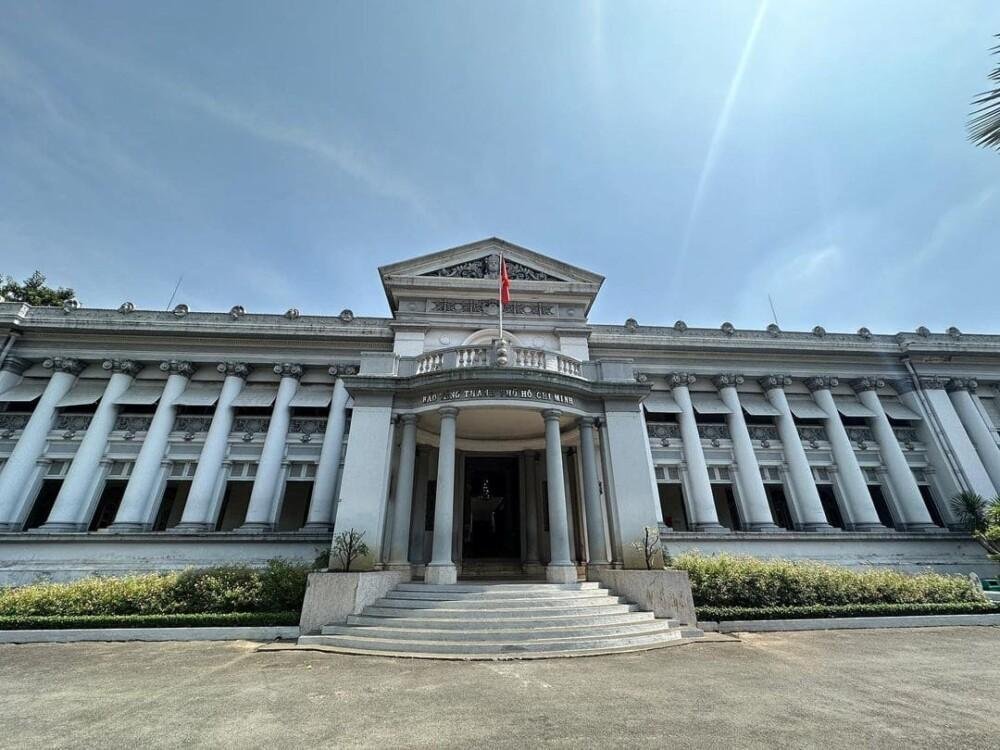
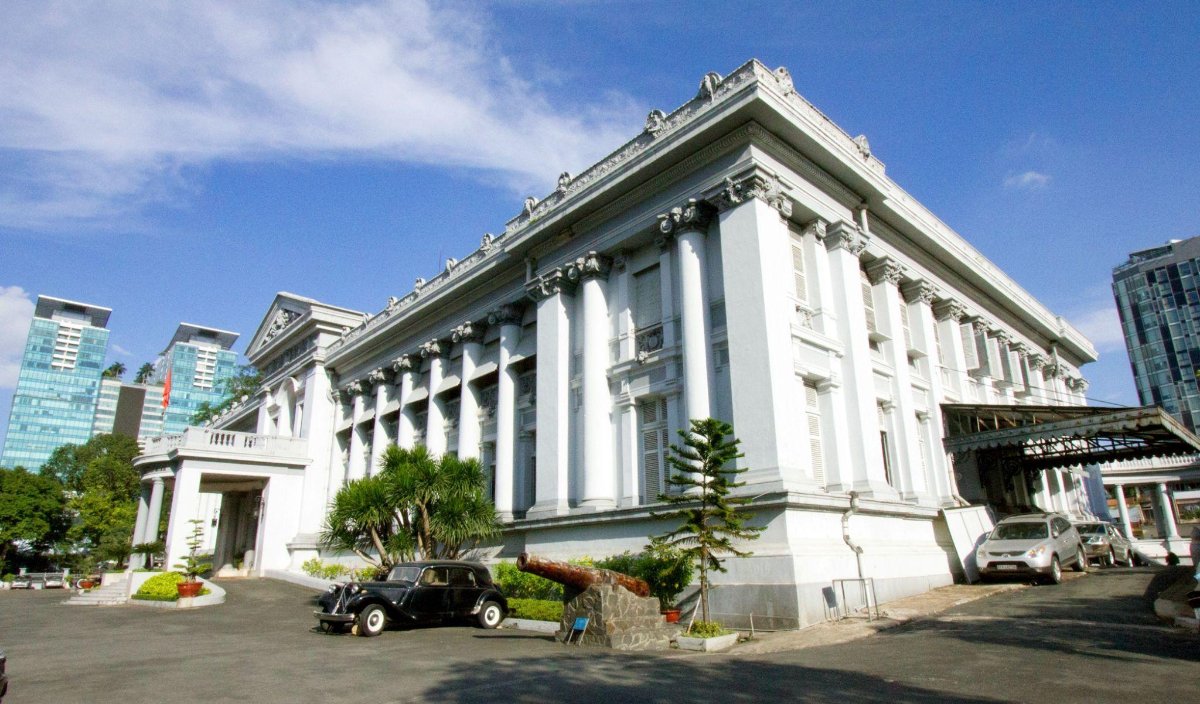
Visitor information
- Address: 65 Ly Tu Trong Street, Saigon Ward, Ho Chi Minh City.
- Opening hours (for reference): 8 am – 5 pm, Monday to Sunday.
- Ticket price (for reference): VND 30,000 per person per visit.
- Discounts: Children aged 6 to 16, pupils and students get 50% off; children under 6 enter free.
- Services: Sightseeing, learning about history, souvenir photos and photography services according to regulations.
Note: Ticket prices, discounts, opening hours and photography fees may change. Check the official information before your visit.
2. More than 130 years of history
The Ho Chi Minh City Museum is housed in a building constructed from 1885 to 1890, designed by the French architect Alfred Foulhoux.
The building was originally intended to be a Commercial Museum showcasing local products. However, once completed, it became the residence of the Lieutenant Governor of Indochina and later went through many periods with different functions.
In particular, the building is linked to many important historical events in the city during the 20th century. It served as the headquarters of government agencies in various periods, reflecting the changes of this land.
On 12 August 1978, the Ho Chi Minh City People’s Committee decided to turn the building into the Ho Chi Minh City Revolutionary Museum. On 13 December 1999, the museum officially became the Ho Chi Minh City Museum.
Over more than a century, the building has not only preserved its architectural legacy but also become a space showcasing the history, culture and development of the city.
3. The unique architecture of the Ho Chi Minh City Museum
3.1. Classical beauty blending East and West
The Ho Chi Minh City Museum impresses with its Western classical architecture, combined with some decorative elements with an Eastern touch.
The two-storey building covers more than 1,700 m², with large columns, tall windows, long corridors and exquisite decorative details.
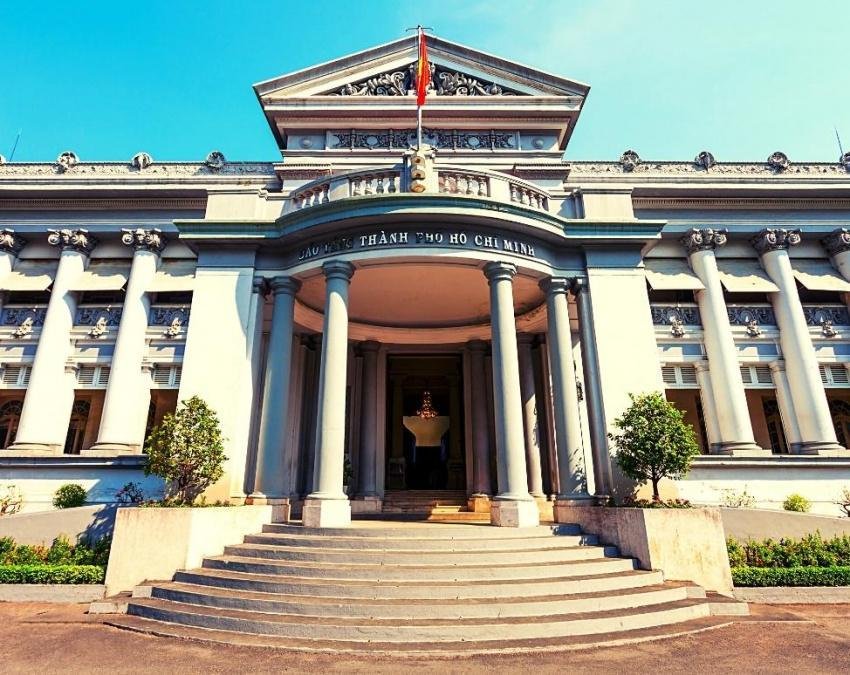
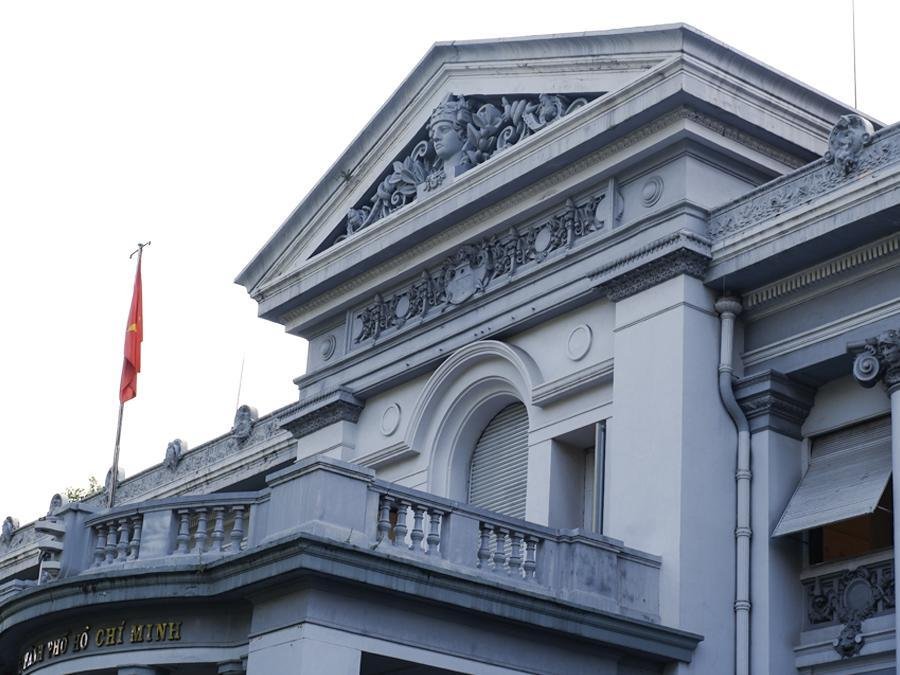
The façade is highlighted by symmetrical columns, a triangular pediment and relief motifs inspired by mythology, nature and classical decorative art.
Every architectural line contributes to an elegant, timeless beauty amid the modern cityscape.
3.2. The classic wooden staircase – A highlight inside the museum
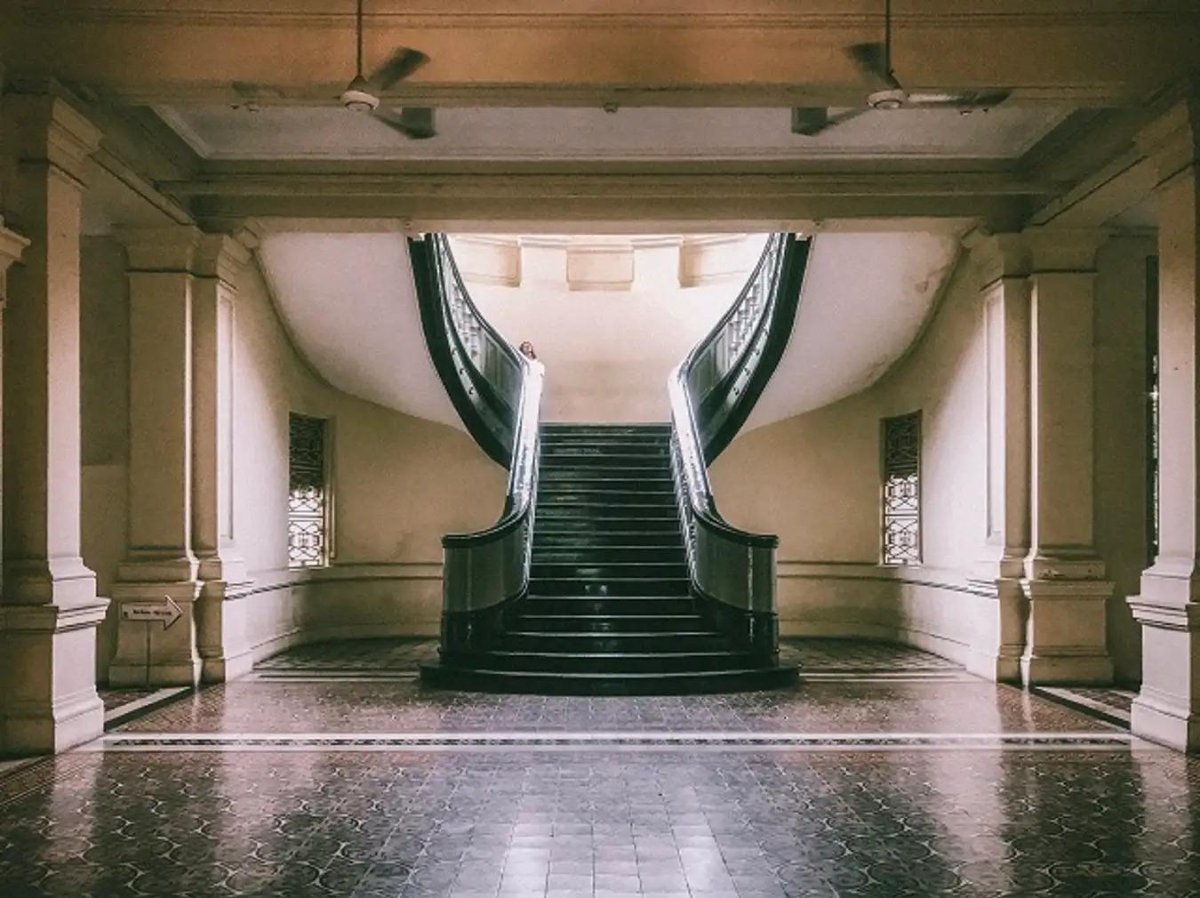
One of the most impressive spaces in the museum is the wooden staircase at the heart of the building.
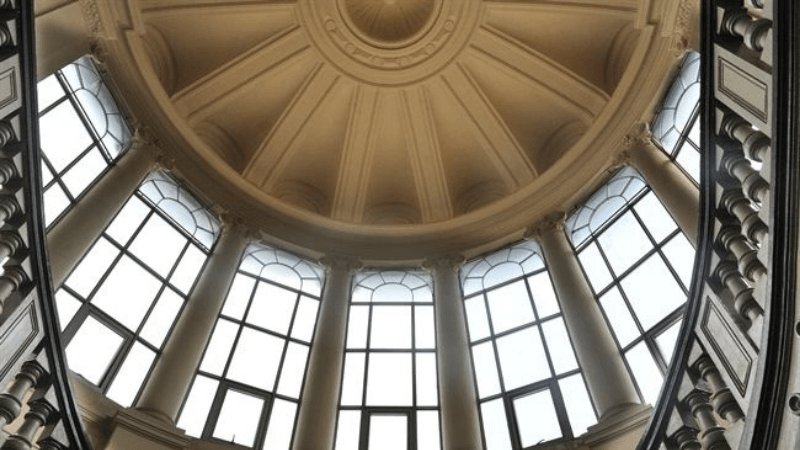
The staircase is symmetrical, with graceful curves combined with a high vaulted ceiling and large windows.
Natural light streaming through the windows creates a special visual effect, making this one of visitors’ favourite photo spots.
Beyond its aesthetic value, this space showcases the distinctive character of late-19th-century architecture.
4. Exploring the historical and cultural exhibitions
Besides its remarkable architecture, the Ho Chi Minh City Museum preserves and presents many artefacts, images and documents on the formation and development of the city.
4.1. Nature and archaeology
This exhibition introduces the geography, climate, river system, natural resources and archaeological traces of the Ho Chi Minh City area.
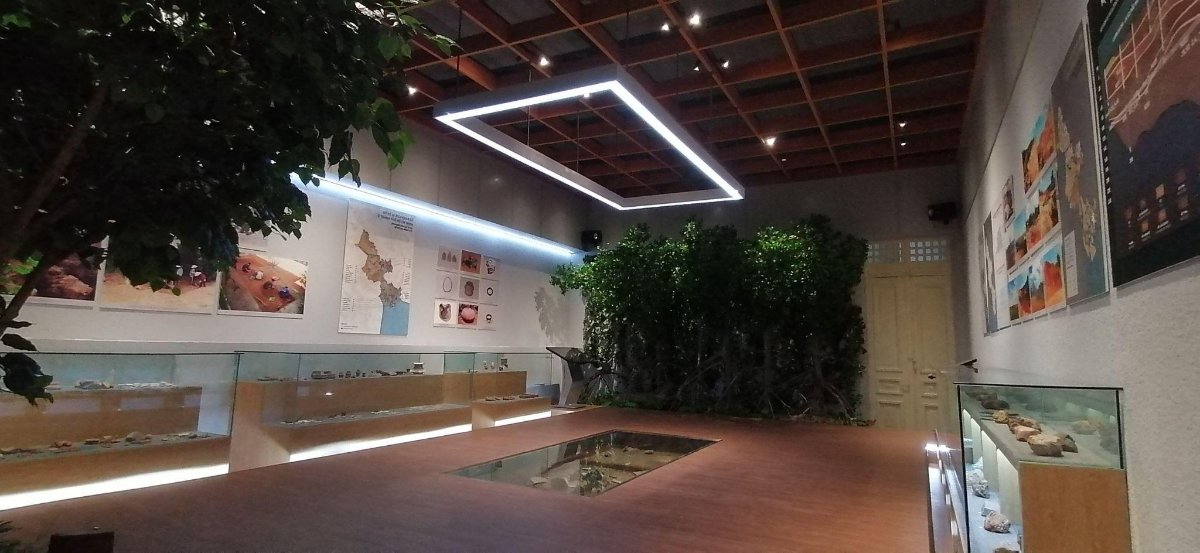
Artefacts such as stone tools, jewellery and archaeological documents help visitors learn about the lives of the ancient inhabitants of this land.
4.2. Port, trade and services
This space recreates the development of trade, commerce and transport in Saigon – Ho Chi Minh City through the ages.
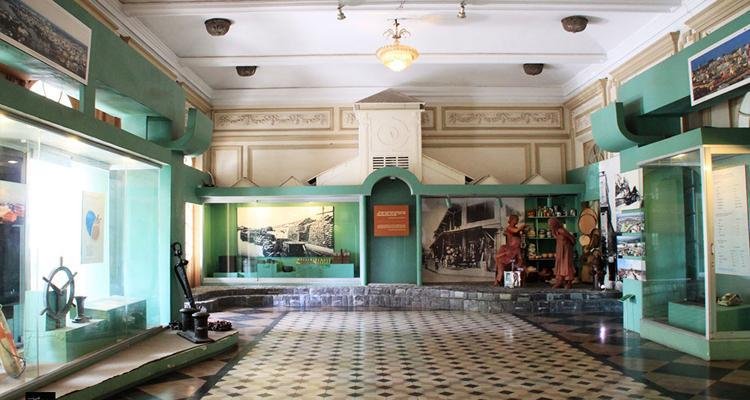
Through artefacts, maps and archival photos, visitors can learn about the role of ports, markets, commercial quarters and means of transport in the city’s urban development.
4.3. Geography and administration through the ages
Maps, images, documents and models present the formation, development and changes in the urban space and administrative organisation of Saigon – Ho Chi Minh City throughout history.
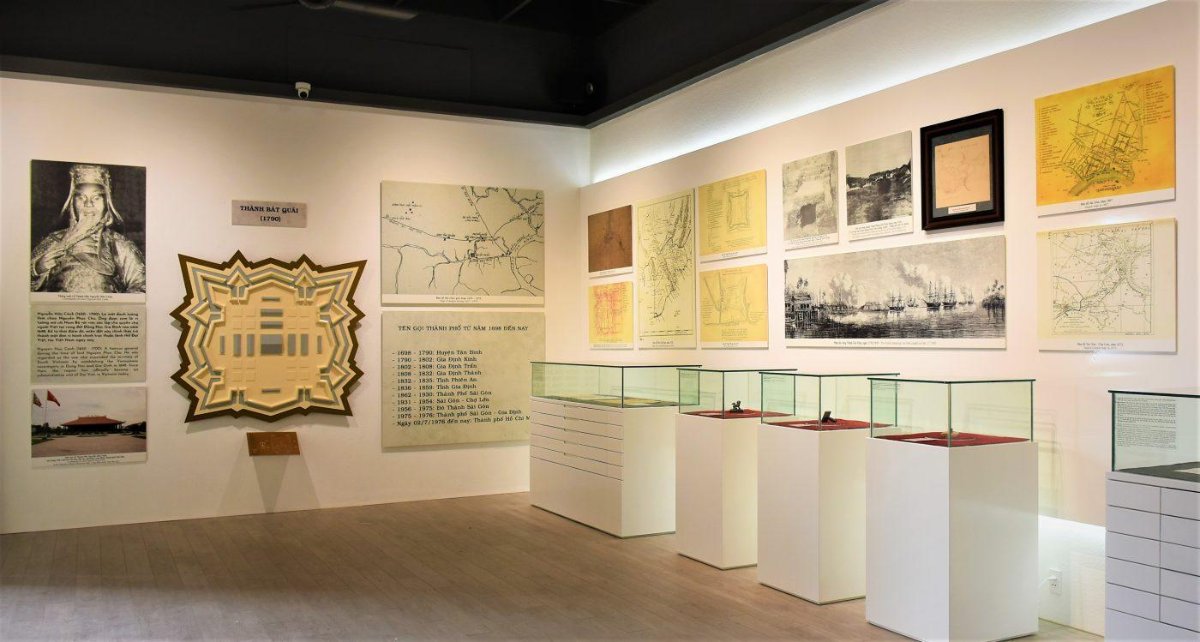
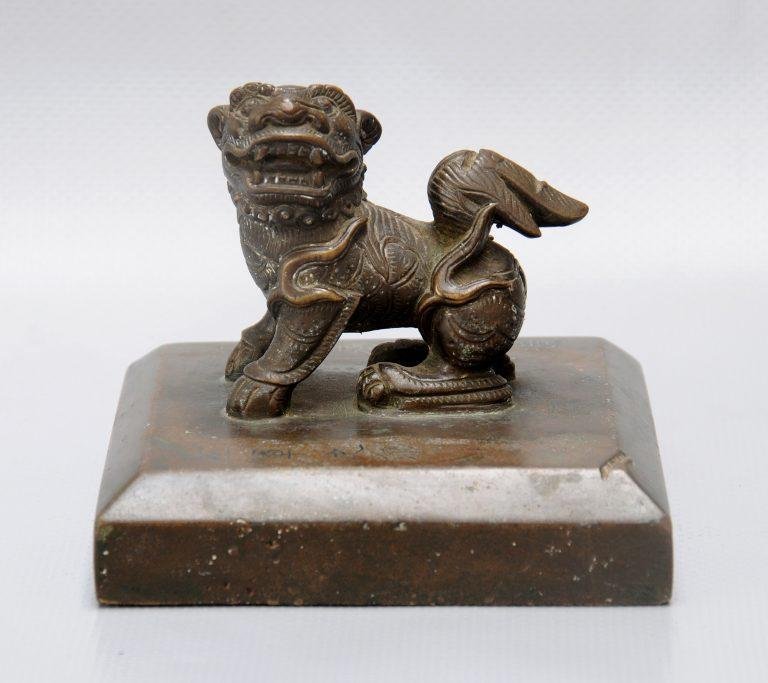
This space suits visitors who want to understand the city’s transformation from a historic town into the country’s leading economic and cultural centre.
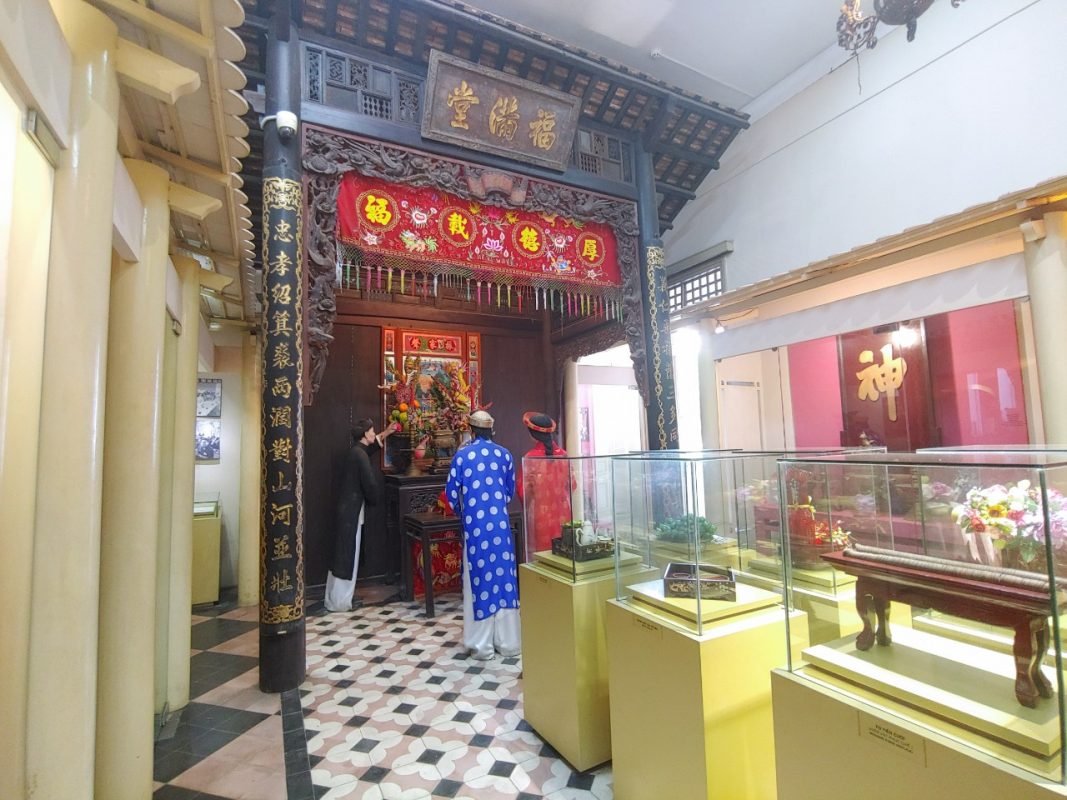
4.4. Culture and community life
This exhibition introduces the diversity of cultural life, customs, beliefs and traditional arts of the local communities.
Visitors can learn about wedding customs, folk beliefs, forms of community life and art forms such as hat boi (classical opera) and cai luong (reformed theatre).
These displays highlight the rich cultural identity and the interaction between the communities living in Ho Chi Minh City.
4.5. Resistance memorabilia and revolutionary history
The museum preserves many artefacts, images and documents related to the revolutionary movements and the two resistance wars against French colonialism and American imperialism.
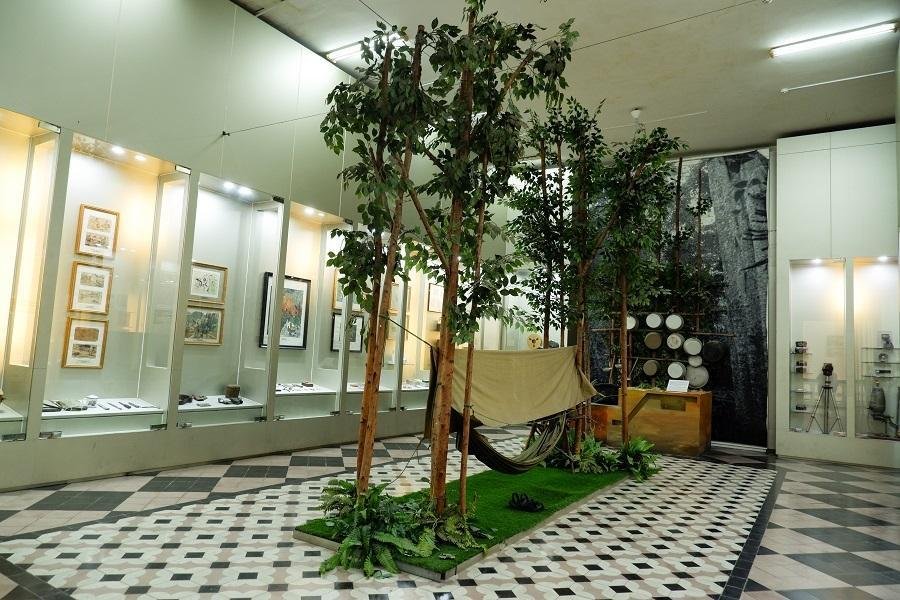
These mementos, documents and historical objects help visitors better understand the patriotic tradition, fighting spirit and contributions of the city’s soldiers and people in different historical periods.
4.6. Vietnamese currency through the ages
The currency exhibition presents many types of coins, banknotes and objects related to monetary history.
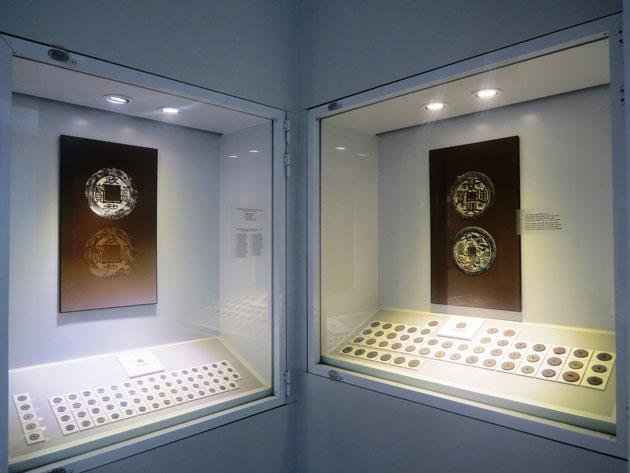
Through these artefacts, visitors gain insight into economic life, trade and social development over time.
Themes, artefacts and exhibition spaces may be adjusted according to the museum’s programme.
5. Beautiful photo spots at the Ho Chi Minh City Museum
More than a historical attraction, the Ho Chi Minh City Museum is a place many visitors choose to capture beautiful moments of their trip.
5.1. The classic wooden staircase
With its symmetrical design and graceful curves, the wooden staircase is one of the museum’s standout photo spots.
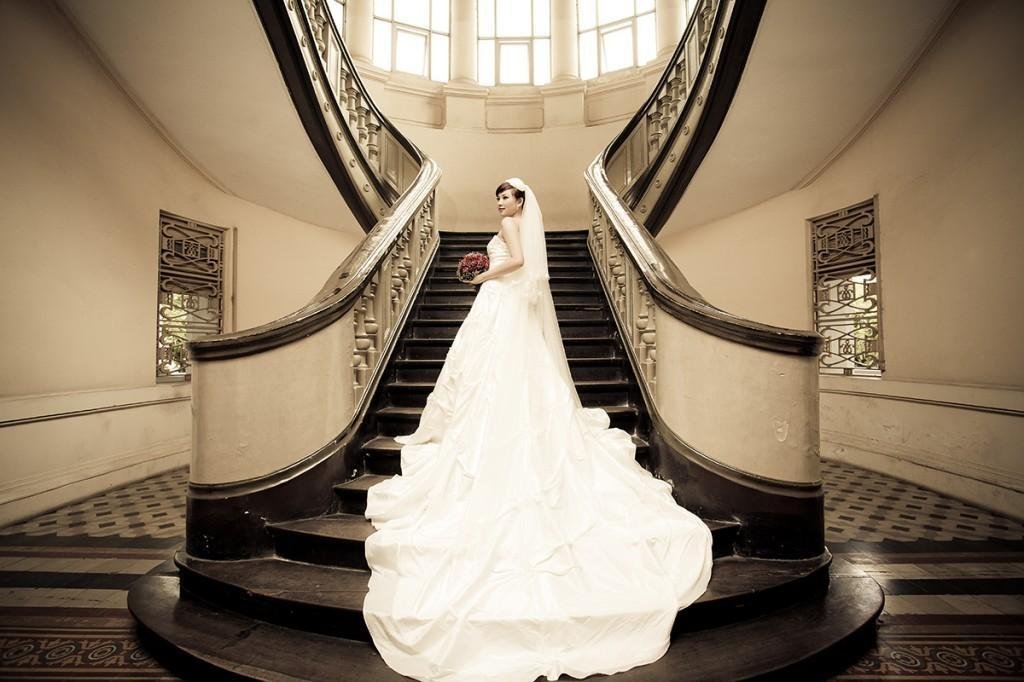
It is especially well suited to the traditional ao dai, creating elegant and evocative photos.
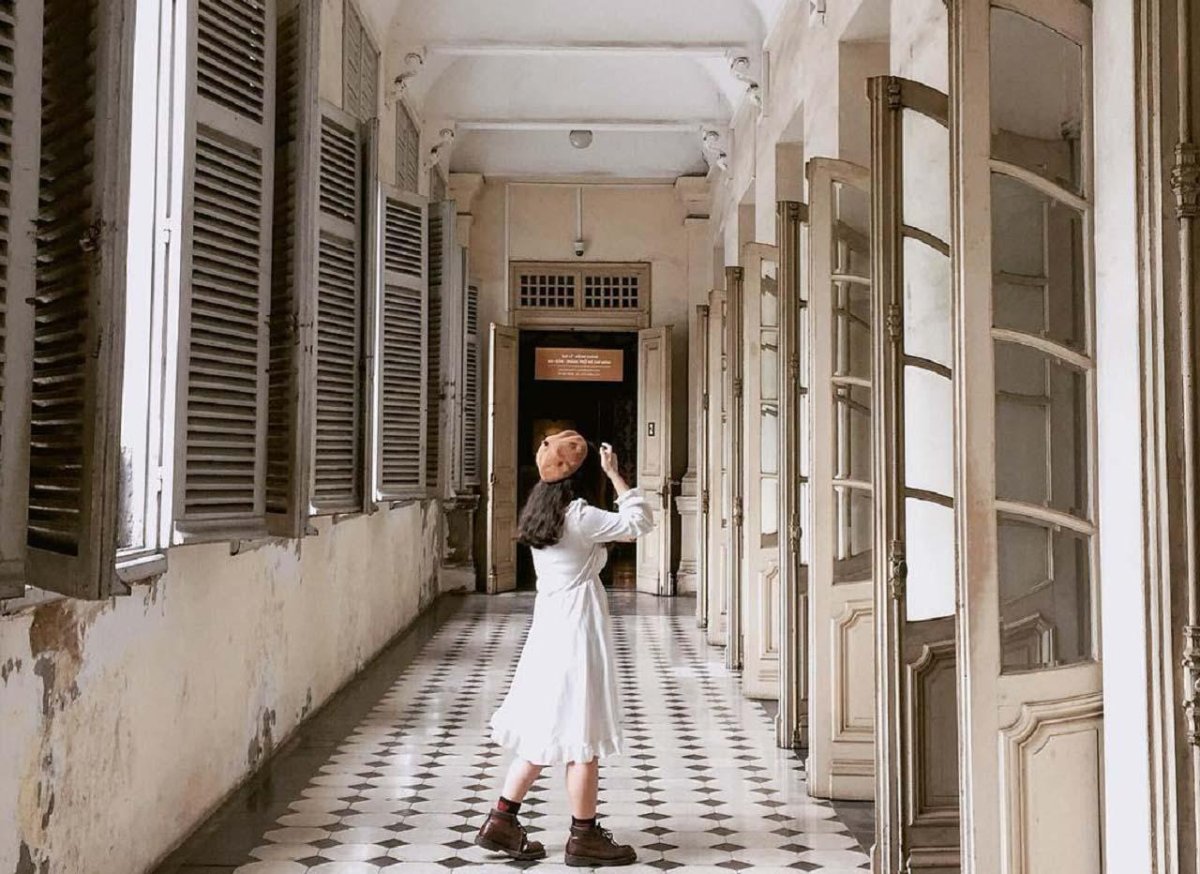
5.2. Long corridors and old doorways
The corridors, with their tall doors, patterned tiles and natural light, create a classic setting ideal for portraits or fashion shots.
Make use of the depth of the corridors and the light from the windows to create striking compositions.
5.3. The façade
The museum’s façade features large columns, a triangular pediment and elaborate decorations.
It is the perfect place for a wide shot capturing the architectural beauty of this 130-year-old building.
5.4. Vaulted ceilings and interiors
The high vaulted ceilings, large windows and classical interiors offer many interesting angles for lovers of architectural photography.
Tip: Mornings usually have soft light, ideal for portraits and ao dai photos. In the afternoon, the sunlight can create beautiful effects on the façade. Visit on weekdays if you want more space for sightseeing and photography.
Photography must comply with the museum’s regulations, especially for photo shoots with a crew, wedding photography or professional equipment.
6. How to get to the Ho Chi Minh City Museum
Located in the city centre, the museum is easy to reach by many means of transport.
Metro: Take Metro Line 1 (Ben Thanh – Suoi Tien), get off at Ben Thanh Station and continue to the museum.
Bus: Choose bus routes that pass through the city centre, then walk to the museum. Check routes and stops on a public transport app before setting off.
Taxi or ride-hailing app: A convenient choice for first-time visitors to the city or groups.
Private vehicle: Use a map app to find your way to 65 Ly Tu Trong Street and look up suitable parking before your visit.
7. Tips for visiting the Ho Chi Minh City Museum
For a complete and convenient visit, keep in mind:
- Choose the right time: Mornings or weekdays are best if you want a more relaxed visit.
- Dress respectfully: Wear clothing suitable for a cultural and historical space, and comfortable shoes.
- Respect the artefacts: Do not touch, move or place objects on the exhibits.
- Follow the photography rules: Find out in advance where photography is allowed and any service fees.
- Respect shared spaces: Don’t make noise, litter or disturb other visitors’ experience.
- Check information before you go: Look up opening hours, ticket prices and the museum’s latest announcements.
8. Attractions near the Ho Chi Minh City Museum
After your museum visit, continue exploring the highlights of central Ho Chi Minh City.
Notre-Dame Cathedral: An iconic religious building with a remarkable history and architecture.
Ben Thanh Market: A familiar spot for sightseeing, shopping and food for both domestic and international visitors.
Ho Chi Minh City Opera House: An outstanding building associated with the performing arts and the city’s cultural life.
Ho Chi Minh City Museum of Fine Arts: A destination for lovers of painting, art and architecture.
Combining these attractions gives you a varied experience of the city’s history, culture, art and urban life.
9. Frequently asked questions about the Ho Chi Minh City Museum
Is the museum open at weekends?
According to the reference information, the museum is open Monday to Sunday from 8 am to 5 pm. Check the schedule before you go.
How much is a ticket?
The reference ticket price is VND 30,000 per person per visit. Some visitor groups are eligible for free or reduced admission according to regulations.
Can I take photos at the museum?
You can take photos in the permitted areas according to the museum’s rules. Some types of photography may incur service fees or require advance registration.
How long should I spend at the museum?
Allow about 60–90 minutes to explore the architecture and the exhibitions. It may take longer if you also take photos or study the exhibits in depth.
What are the highlights of the Ho Chi Minh City Museum?
The museum’s highlights are its 130-year-old building, historical and cultural exhibitions, and the classic photo spots that many visitors love.
10. Discover historical heritage in the heart of Ho Chi Minh City
With its remarkable architecture, rich history and varied exhibitions, the Ho Chi Minh City Museum offers visitors many meaningful experiences.
A visit not only reveals the beauty of a 130-year-old building but also opens a journey into the history, culture and people of Ho Chi Minh City across the ages.
Add the Ho Chi Minh City Museum to your itinerary and discover more exciting travel experiences at Discoverhcmc.com
#VibrantHoChiMinhCity #DuLichTPHCM #DiscoverHCMC #CheckinHCMC