
The Ho Chi Minh City Museum of Fine Arts is an outstanding cultural and artistic destination in the heart of Ho Chi Minh City. Besides preserving thousands of artefacts and many valuable works of art, it impresses visitors with the unique East-meets-West architecture of Chu Hoa Mansion (Dinh chu Hoa). From stained-glass windows and old staircases to works recognised as National Treasures, the museum offers an inspiring journey of discovery.
1. Where is the Ho Chi Minh City Museum of Fine Arts?
The Ho Chi Minh City Museum of Fine Arts is located at 97A Pho Duc Chinh Street, Ben Thanh Ward, Ho Chi Minh City, close to many famous attractions in the city centre.
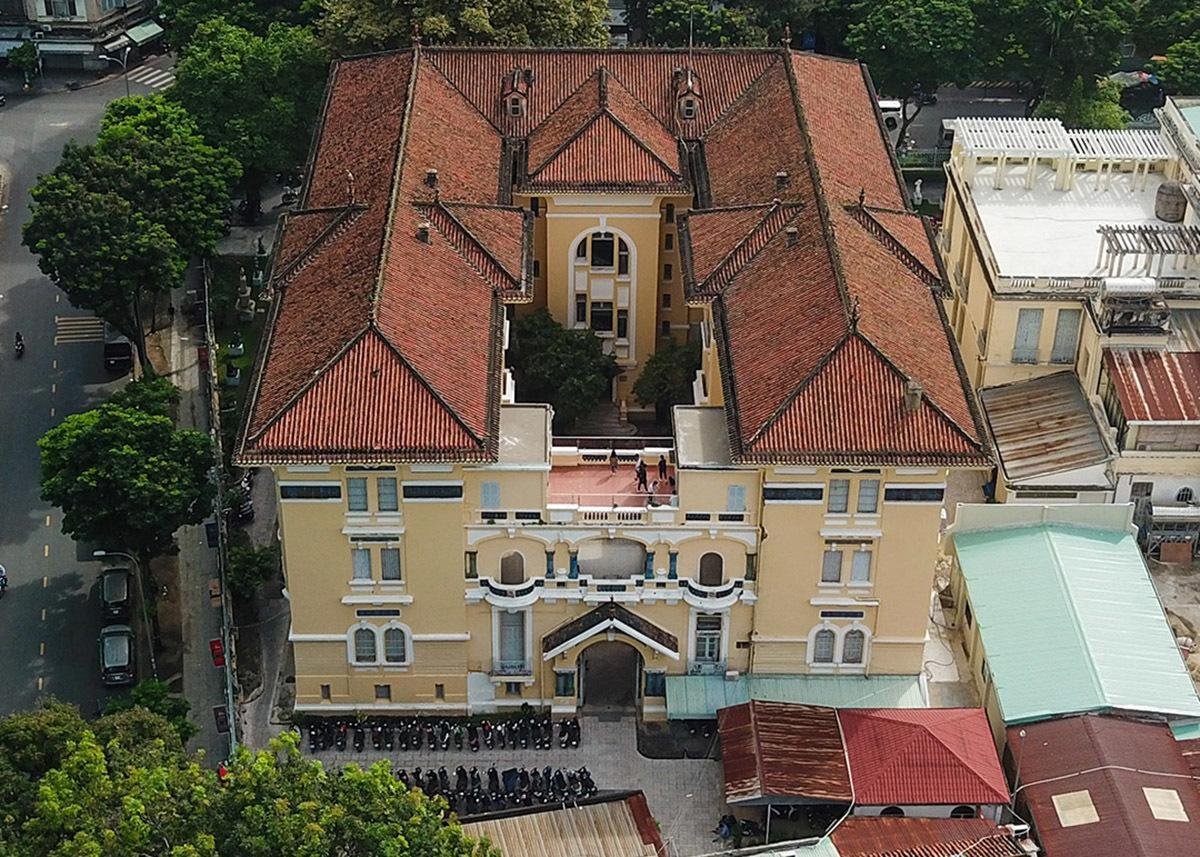
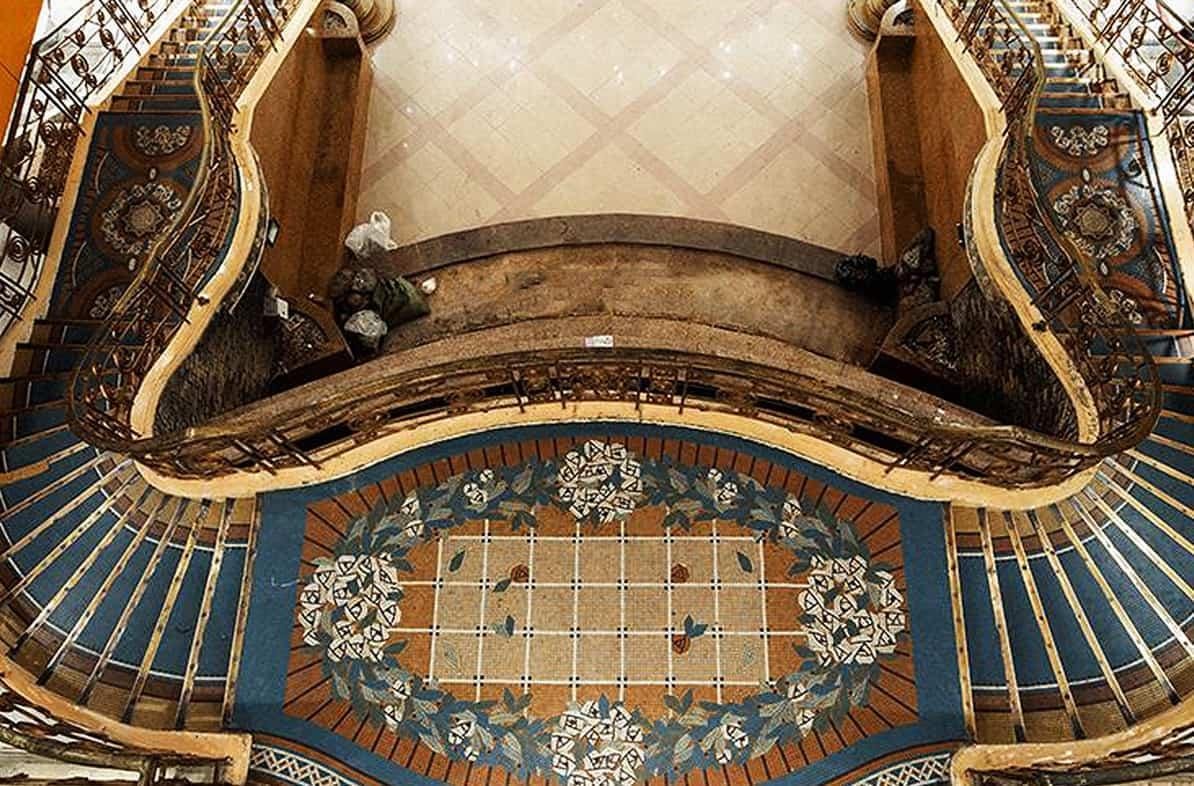
Founded in 1987 and officially opened to the public in 1989, the museum collects, preserves, researches and displays Vietnamese works of art from many periods.
With more than 22,000 artefacts according to its introduction, the museum holds many valuable collections of painting, sculpture and applied arts. It is the perfect place for art lovers, those interested in cultural history or anyone who wants to experience one of Ho Chi Minh City’s most distinctive architectural spaces.
2. Chu Hoa Mansion – East-meets-West architecture in the heart of the city
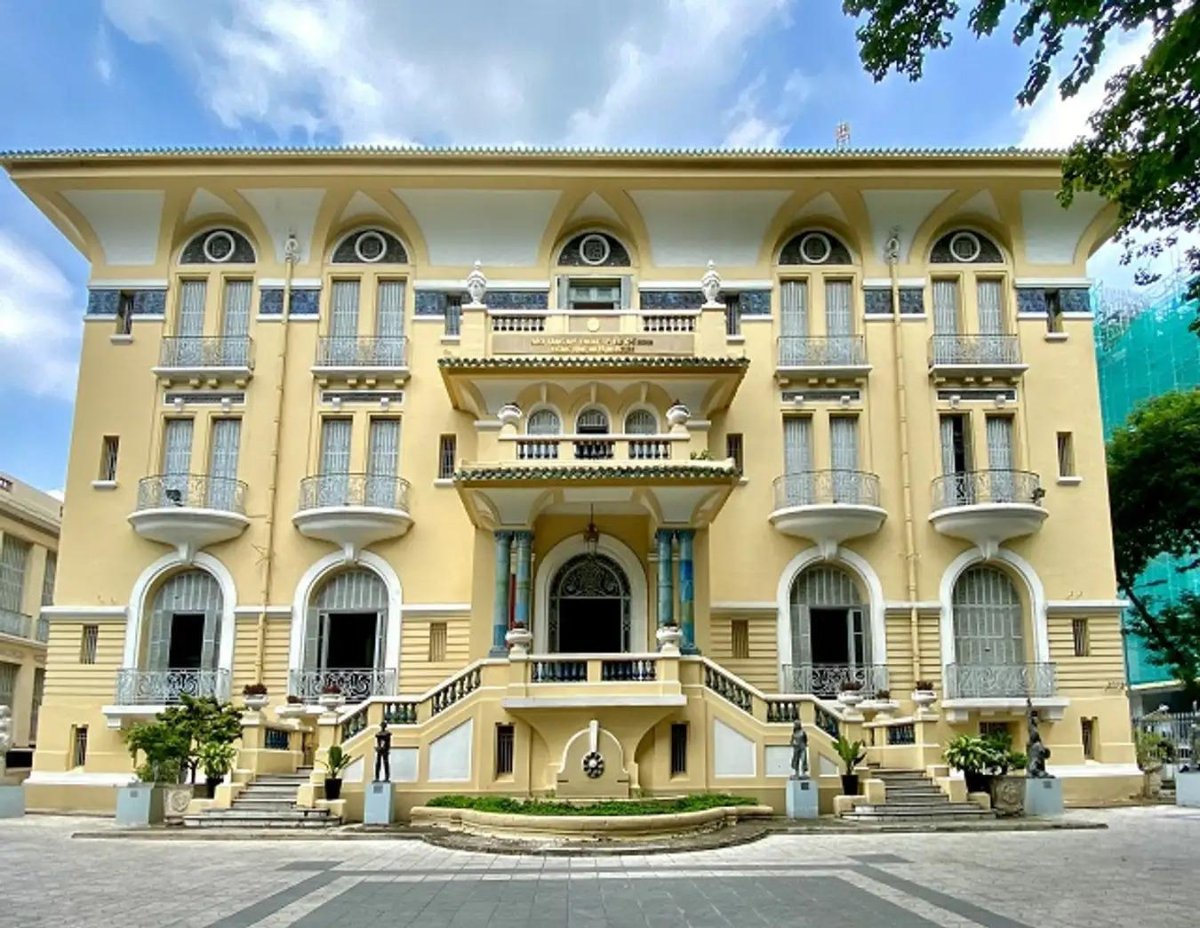
One thing that makes the museum special is its mansion, associated with the family of merchant Hua Bon Hoa and commonly known as Chu Hoa Mansion.
Construction began in 1929 and was completed in 1934, in an architectural style blending East and West.
Captivating classical architecture
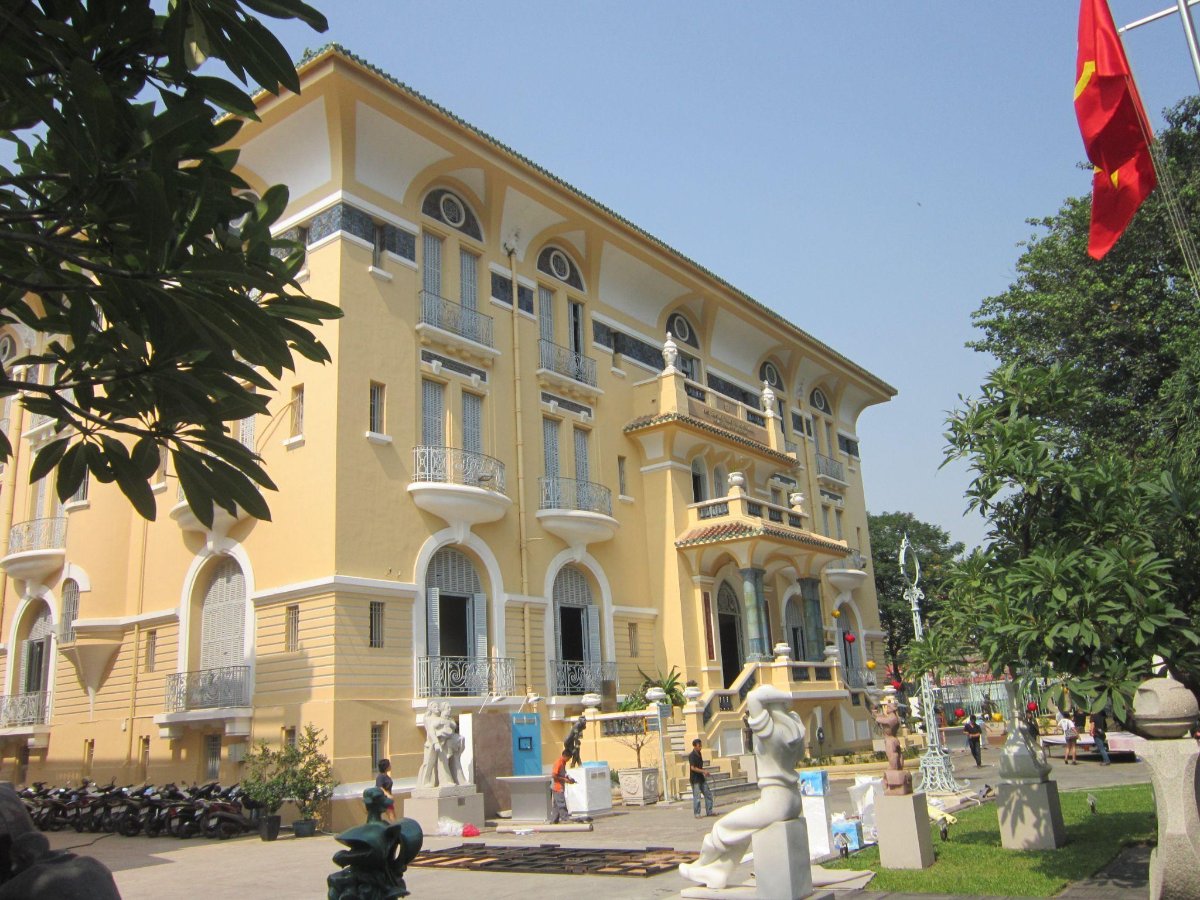
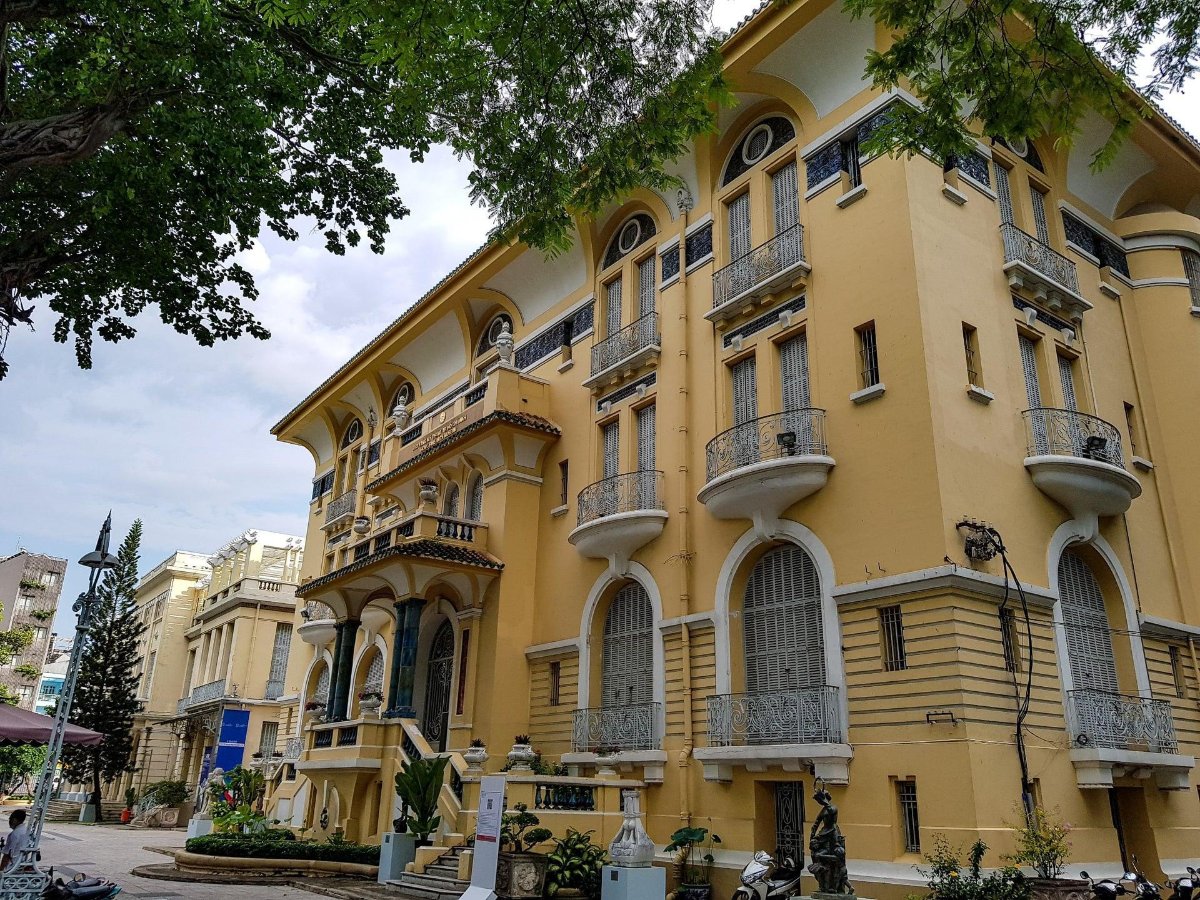
The building stands out with its signature yellow colour, red-tiled roof, arched windows, wrought-iron balconies and stained-glass windows.
Inside, long corridors, patterned encaustic tiles, stone staircases and exquisite decorative details create a space that is both elegant and nostalgic.
Natural light streaming through the stained glass turns every corner of the museum into an artistic frame.
A unique antique lift
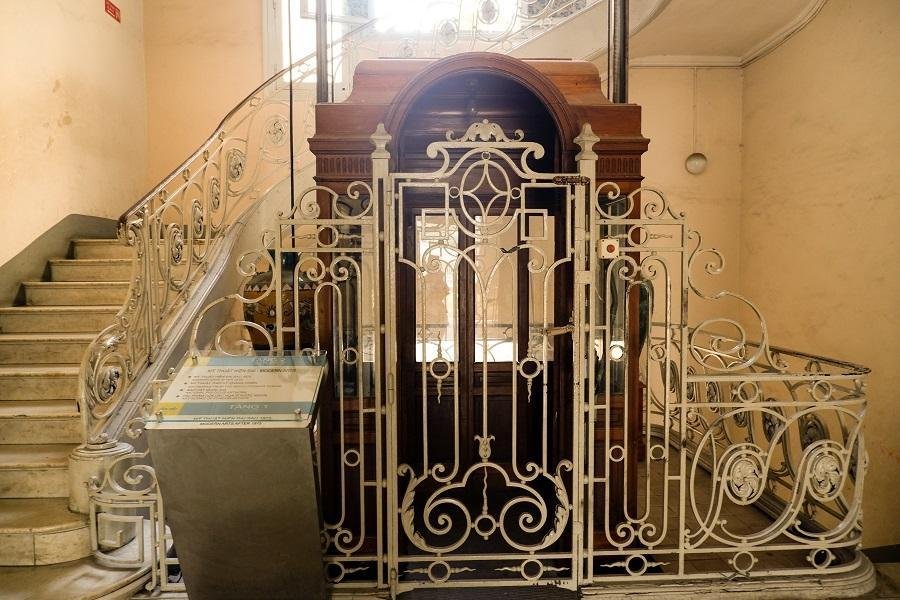
A detail not to be missed is the antique wooden lift, decorated with intricate carvings and shaped like a traditional palanquin.
Although no longer in use, the lift remains a special architectural highlight that attracts visitors’ attention.
3. What makes the museum so appealing?
The museum consists of three buildings with exhibition spaces on different themes, helping visitors explore the development of Vietnamese fine arts.
Building 1 – Discover modern Vietnamese art
This area displays many modern works of art, including lacquer paintings, oil paintings, wartime sketches and works by famous artists.
Visitors can learn about the artistic legacy of the Indochina College of Fine Arts, the Gia Dinh School of Fine Arts and generations of Vietnamese painters.
In particular, the collection here is associated with great names such as Nguyen Gia Tri, Nguyen Sang and many artists who made important contributions to the nation’s art.
Building 2 – Art exhibition space
Building 2 is dedicated to thematic exhibitions introducing artists, works and art collections.
Exhibitions are held at different times, giving the public access to many creative styles and artistic perspectives.
If you love contemporary art, check the exhibition schedule before you go for an even more interesting experience.
Building 3 – Explore ancient and early-modern art
Building 3 presents ancient and early-modern artworks in many materials such as ceramics, stone, wood and bronze.
Here you can discover the signature ceramics of Southern Vietnam, such as Lai Thieu and Bien Hoa ware, as well as sculptures associated with the Champa and Oc Eo cultures and other historical periods.
The exhibitions offer a vivid insight into the lives, beliefs and craftsmanship of people through the ages.
4. Artworks not to be missed
Besides its unique architecture, the museum holds works of special value in the history of Vietnamese art.
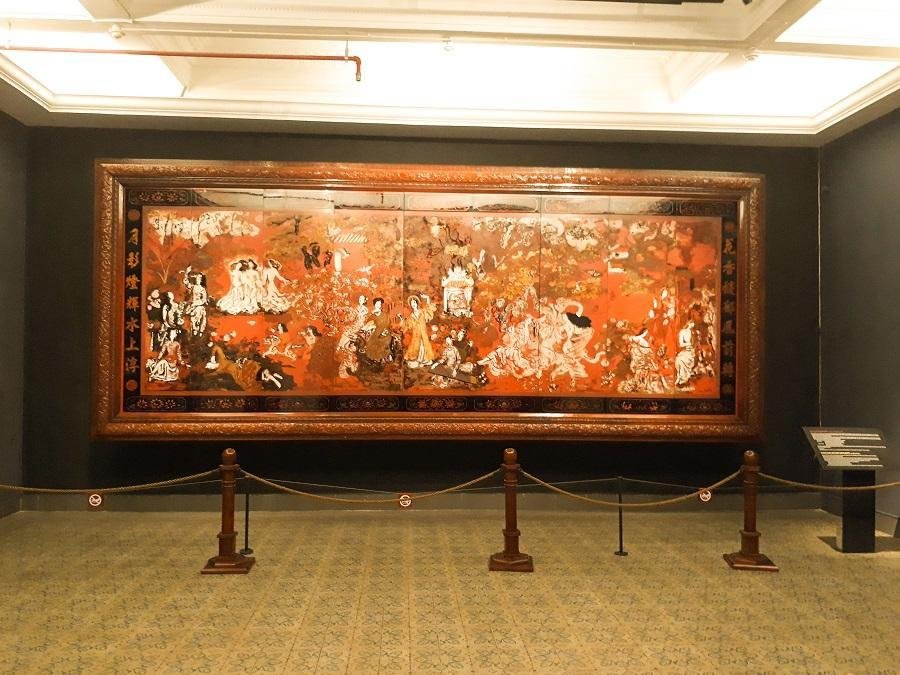
Spring Garden of the Central, South and North – Nguyen Gia Tri
This famous lacquer painting by master painter Nguyen Gia Tri was created between 1969 and 1989 and measures about 540 × 200 cm.
The painting expresses the beauty of people and nature and the spirit of unity between the regions through the unique language of lacquer art.
In 2013, the work was recognised as a National Treasure, affirming its outstanding value in Vietnam’s artistic heritage.
The Youth of the Bronze Citadel – Nguyen Sang
This lacquer painting by Nguyen Sang was sketched in 1967 and completed in 1978.
With powerful visual language, the work portrays the resilience of the young generation during the years of struggle to defend the country.
In 2017, the work was recognised as a National Treasure.
Besides these two signature works, take time to explore the collection of wartime sketches and works reflecting the cultural and social life of Southern Vietnam over many periods.
Note: The display locations of artworks may change according to conservation plans or thematic exhibitions. Contact the museum in advance if you want to see a specific work.
5. Beautiful photo spots at the museum
Not only appealing to art lovers, the Ho Chi Minh City Museum of Fine Arts is also a favourite photo spot for visitors and young people.
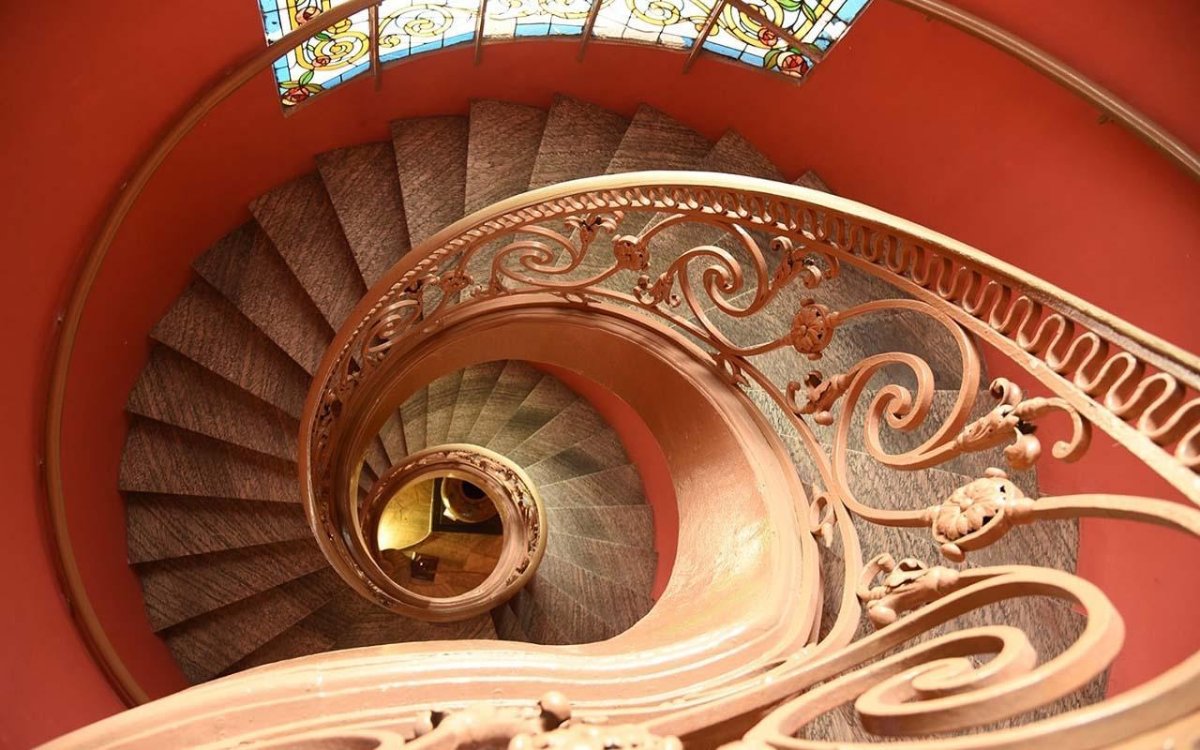
The old spiral staircase
The spiral staircase, with its graceful curves, wrought-iron railings and exquisite decorative details, makes for an impressive shot.
Seen from above, the staircase creates a unique visual effect, especially suited to classic-style photos.
Stained-glass windows
The patterned stained-glass windows are a signature feature of the building.
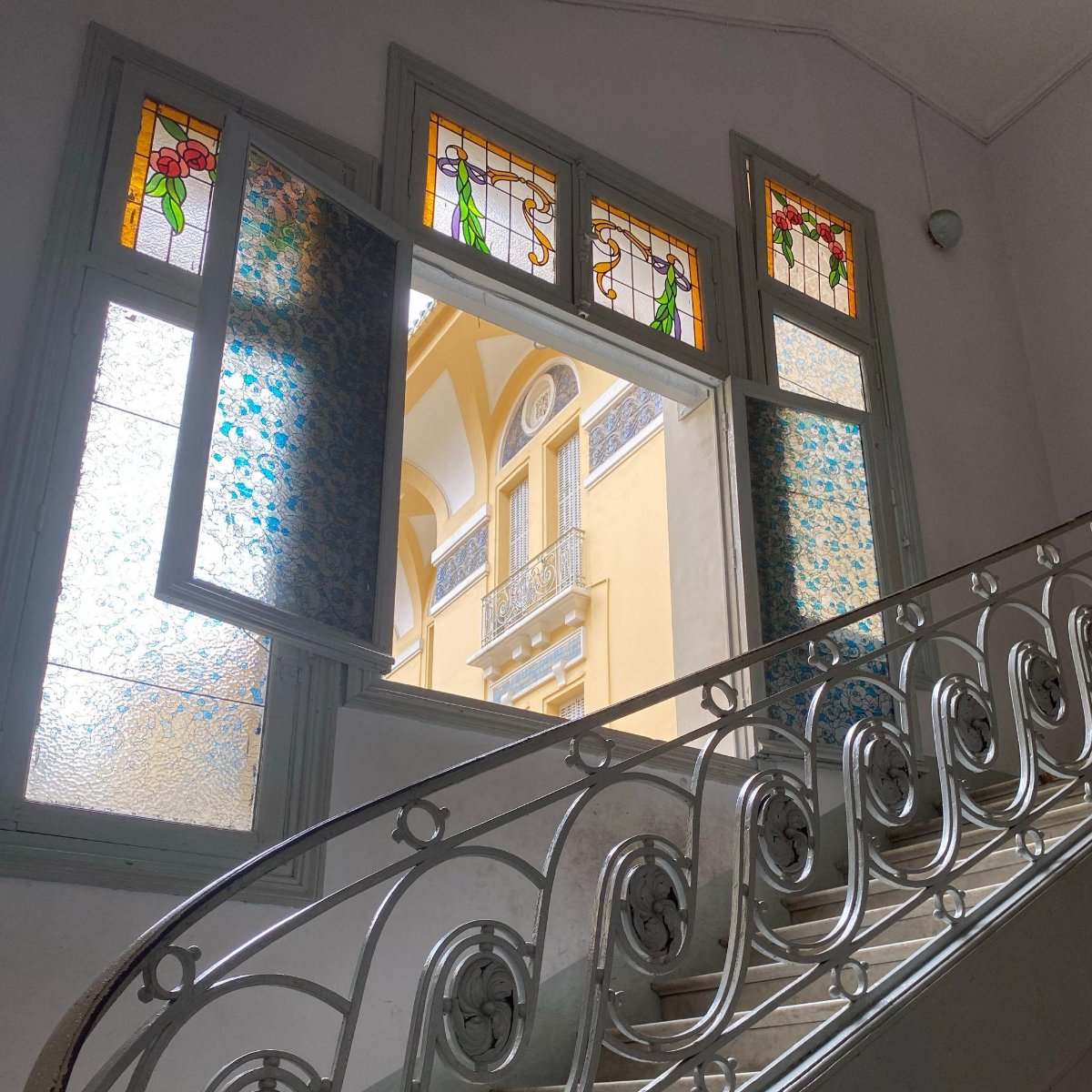
When natural light shines through, the reflected colours create a shimmering space that inspires photography lovers.
Corridors and façade
The long corridors, patterned tiles and arched doorways create a nostalgic setting.
Meanwhile, the striking yellow façade with its French-style balconies is the ideal backdrop for souvenir photos of your visit.
Tip: Outfits in elegant colours or vintage and minimalist styles usually suit the architecture here. When taking photos, follow the museum’s rules and avoid disturbing other visitors and the exhibitions.
6. Tickets, opening hours and how to get there
For a convenient visit, here is some useful information:
Address: 97A Pho Duc Chinh Street, Ben Thanh Ward, Ho Chi Minh City.
Opening hours (for reference): 8 am to 5 pm, Monday to Sunday.
Ticket prices (for reference):
- Adults: VND 30,000 per person.
- Pupils and students: VND 15,000 per person.
- Children under 6 and people over 60: free admission according to reference information.
Prices are as recorded in documents updated in October 2026 and may change. Check the official information before your trip.
Getting to the museum
Thanks to its central location, the museum is easy to reach by many means of transport:
- Metro: Take Metro Line 1 (Ben Thanh – Suoi Tien), get off at Ben Thanh Station and walk to the museum.
- Bus: Choose routes that stop near Ben Thanh, Pho Duc Chinh Street and nearby streets.
- Taxi or ride-hailing app: Suitable for visitors who want to go directly to the museum.
- Private vehicle: Use a map app to choose a convenient route.
7. Tips for visiting the museum
To fully enjoy the art spaces, allow about 1–2 hours, depending on your interests and how much time you spend on the works.
Some useful tips:
- Dress respectfully, in keeping with a cultural space.
- Do not touch artefacts, paintings or exhibits.
- Keep quiet and clean, and follow the instructions of museum staff.
- Take photos and film only in permitted areas.
- Contact the ticket counter if you need professional photography or filming services.
- Check the exhibition schedule and visitor information before you go.
8. Attractions near the museum
After exploring the museum, you can combine it with many outstanding cultural, historical and architectural landmarks in Ho Chi Minh City.
Ben Thanh Market: One of the city’s most famous tourism icons, where you can explore shopping, food and urban life.
Independence Palace: A historic building tied to important milestones in the nation’s history, with distinctive architecture and grounds.
Ho Chi Minh City Museum: A place to learn about the formation, development and cultural life of the city.
Saigon Central Post Office: An outstanding building that attracts visitors with its classic beauty and historical value.
Nguyen Hue Walking Street: A lively public space, ideal for strolling, taking photos and experiencing city life.
You can combine these destinations into a cultural and architectural tour of central Ho Chi Minh City.
9. Frequently asked questions about the Ho Chi Minh City Museum of Fine Arts
Is the Museum of Fine Arts the same as Chu Hoa Mansion?
The museum’s main building is associated with the family of merchant Hua Bon Hoa and is commonly called Chu Hoa Mansion. It was built from 1929 and completed in 1934.
Is the museum open at weekends?
According to reference information, the museum is open from 8 am to 5 pm every day of the week. Check the schedule during holidays and Tet.
Can I take photos at the museum?
You can use your phone to take souvenir photos in the permitted areas. Professional photography and filming require contacting the museum and following its regulations.
What famous works does the museum hold?
Two signature works recognised as National Treasures are Spring Garden of the Central, South and North by Nguyen Gia Tri and The Youth of the Bronze Citadel by Nguyen Sang.
How long should I spend at the museum?
About 1–2 hours is recommended to explore the main exhibitions, learn about the architecture and take souvenir photos. Art lovers may want to spend longer.
10. Discover artistic heritage in the heart of Ho Chi Minh City
Combining unique architecture, valuable art collections and an inspiring cultural space, the Ho Chi Minh City Museum of Fine Arts is a stop well worth experiencing on your journey around Ho Chi Minh City.
Here, you can not only admire remarkable works of art but also learn about the history, architecture and cultural life of the city through the ages.
Add the Ho Chi Minh City Museum of Fine Arts to your itinerary and discover more exciting cultural experiences with Discoverhcmc.com
#VibrantHoChiMinhCity #DuLichTPHCM #DiscoverHCMC #CheckinHCMC